


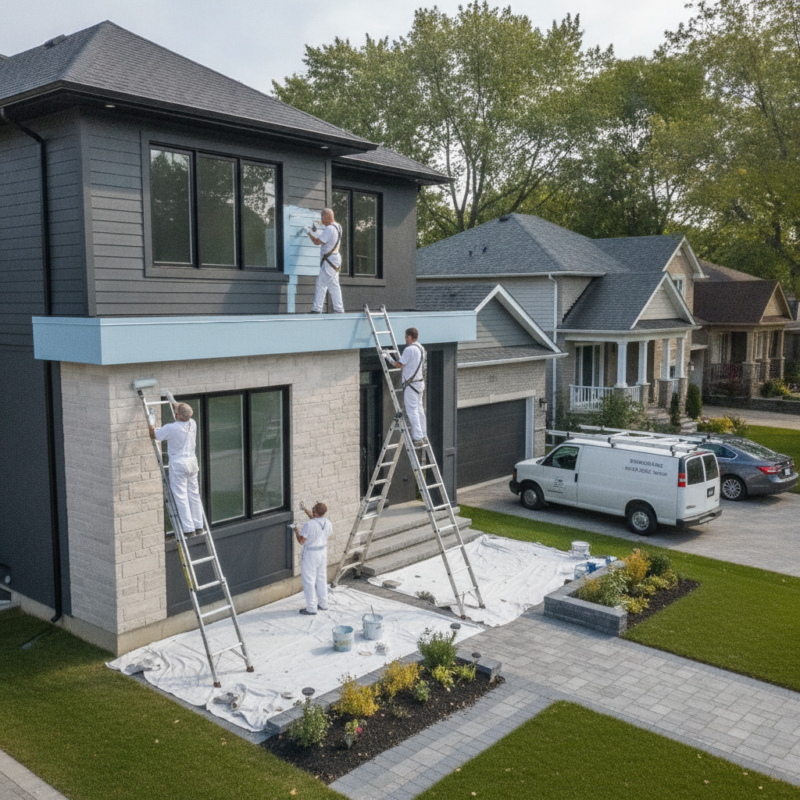
Residential painting contractors are licensed pros who prep, paint, and protect interior and exterior surfaces to professional standards. For Milton and nearby Mississauga neighborhoods around Nighthawk Trail (L5N6G4), hiring a vetted crew ensures clean prep, low-odor ZERO VOC options, durable coatings, and on-time completion backed by a clear process.
By ZIKRIA MUJAHID · Home Painter Services
Last updated: June 14, 2026
Summary
This guide explains how to choose and work with residential painting contractors to elevate curb appeal, protect surfaces, and improve indoor air quality. You’ll learn the end-to-end process, proven best practices, tools and materials, local considerations for Milton, and real examples from Home Painter Services projects.
Here’s what you’ll get from this complete homeowner guide:
- A plain-English definition of residential painting contractors and what they actually do
- Why professional prep and ZERO VOC paint matter for families
- How a start-to-finish painting project works (with timelines)
- Service types: interior, exterior, cabinet spraying, epoxy floors, deck sanding and staining, and more
- Best practices, tools, and materials to insist on
- Milton- and Halton-specific tips, plus quick FAQs and next steps
Jump to a section:
- What is a residential painting contractor?
- Why hiring pros matters
- How the process works
- Types of services
- Best practices
- Tools and resources
- Case studies
- Contractor vs. DIY
- FAQ
- Conclusion & next steps
What are residential painting contractors?
Residential painting contractors are specialized home-service professionals who inspect, prep, and coat interior and exterior surfaces for beauty and protection. They manage color selection, surface repairs, priming, application, and cleanup—delivering consistent finishes that meet manufacturer specs and building standards for durability and appearance.
In practical terms, a contractor handles the full stack: consultation, color support, secure masking, repairs, sanding, priming, precise cutting-in, rolling/spraying, and a clean wrap-up. For Home Painter Services, that stack also includes ZERO VOC interior paints, exterior-grade coatings rated for Canadian weather, and a documented on-time completion promise.
- Scope clarity: Rooms, trim, ceilings, doors, siding, masonry, and specialty surfaces.
- Health-forward options: Low-odor, ZERO VOC interiors; 1–2 coats depending on color shift.
- Protection: Drop cloths, floor paper, furniture wrapping, and zipper-door containment.
- Finish consistency: Uniform sheen levels (e.g., eggshell walls, semi-gloss trim) to reduce visible touch-ups.
Homeowners often underestimate how much finish quality depends on preparation. In our experience, 70–80% of a great result is the prep: correct sanding grits, dust control, clean substrate, and a bonded primer layer before the topcoat.
Why hiring pros matters
Hiring a pro team ensures safer indoor air, reliable scheduling, and coatings that withstand local climate. In Milton and the Regional Municipality of Halton, seasoned crews understand seasonal moisture swings, UV exposure, and freeze–thaw cycles—critical details that protect your home’s envelope and preserve finish quality year after year.
Here’s why it matters—beyond “it looks nice”:
- Indoor air quality: ZERO VOC paint options help families minimize odors during and after painting; most rooms can be usable again within 24–48 hours of final coat.
- Durability in Canadian weather: Exterior paints and stains must flex through freeze–thaw; pro-grade products and surface moisture testing reduce premature failure.
- Warranty compliance: Manufacturers often specify prep, spread rates (sq. ft./gal.), and recoat windows (e.g., 2–4 hours); pros hit these specs to keep product warranties valid.
- Time and coordination: A typical interior repaint (two to three rooms) can be completed in 2–3 working days with a coordinated crew and clean daily wrap-ups.
We’ve found that the biggest homeowner regret is skipping primer or ignoring moisture content. Those shortcuts may save a day, but they often cost years off the finish life. A pro enforces the correct steps—even when they’re invisible.
How the process works
A well-run painting project follows a repeatable path: consult and estimate, color confirmation, site protection, surface repair and priming, controlled application, cure time, and a final walkthrough. Consistent milestones keep your home livable and deliver a finish that looks great and lasts.
Here’s the end-to-end workflow you can expect with Home Painter Services:
- Consultation and free estimate visit: Walk the space, note substrates, sheen, humidity, and previous coatings. Capture square footage and access constraints.
- Color and sheen selection: Wall sheen (often eggshell), trim/doors (semi-gloss), ceilings (flat). Use sample boards in daylight and evening light.
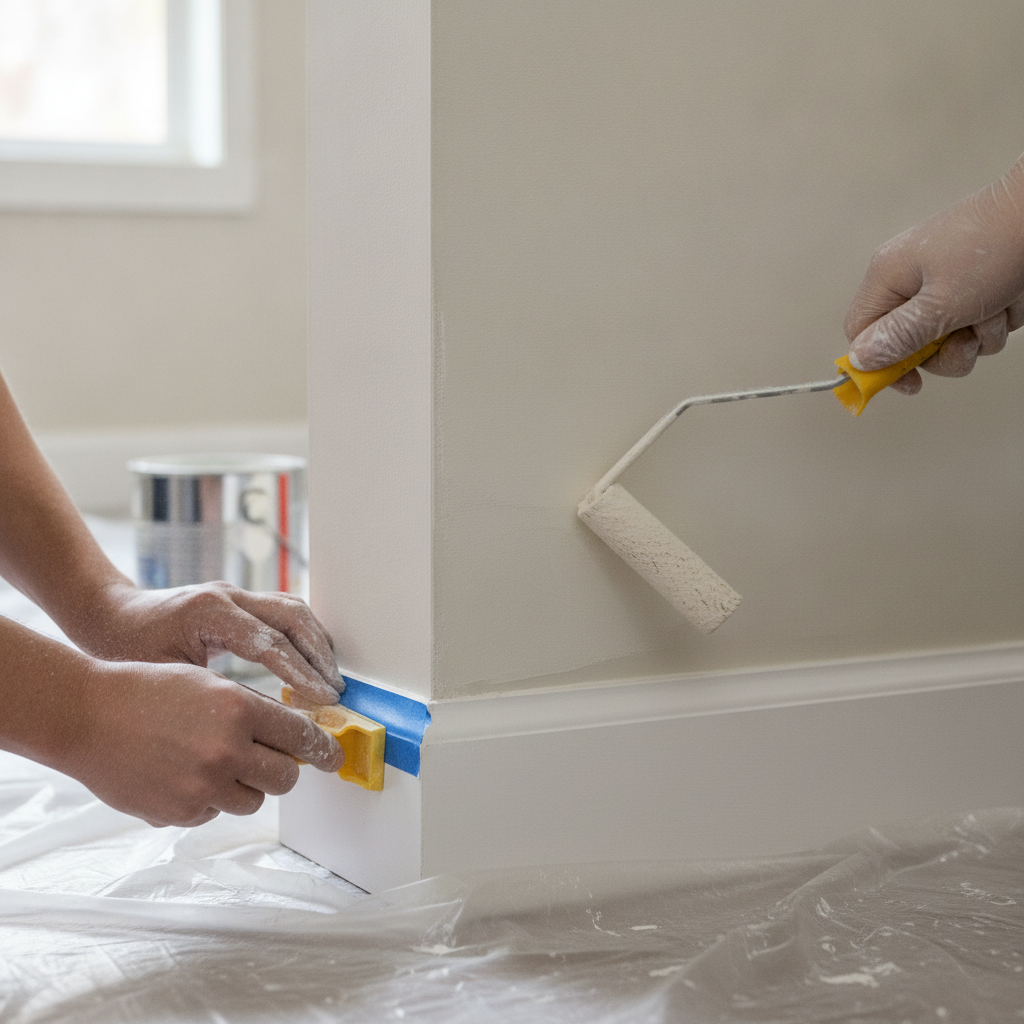
- Protection and containment: Floor paper or Ram Board, plastic-wrapped furniture, taped edges, and zipper-door containment where needed.
- Surface preparation: Degloss glossy trim, sand patched drywall to 120–150 grit, vacuum dust, and tack-cloth wipe-down before primer.
- Priming and application: Bonding primer on repairs, water stains, and bare wood; 1–2 finish coats at correct spread rate. Respect recoat windows (often 2–4 hours).
- Detailing and cleanup: Crisp lines, outlet cover reinstall, sweep/vacuum, HEPA dust pass. Label leftover paint with room and sheen.
- Walkthrough and punch list: Lighting-level inspection (natural + artificial), address micro-holidays, adjust caulk beads, and confirm satisfaction.
Dry-to-touch isn’t the same as cure. Many interior paints reach functional cure in 7–14 days; be gentle with cleaning during that period. For exteriors, plan around dew points and overnight lows to protect early film formation.
Local considerations for Milton
- Schedule exterior work after spring thaw; target late spring through early fall to avoid cold snaps near Tremaine at Bergamot and wind-exposed streets.
- Expect stronger UV on south- and west-facing elevations bordering green spaces like Walker Park; specify UV-resistant topcoats and stains.
- Transit and school traffic patterns can affect crew parking and staging; align start times to avoid bus-stop congestion on weekday mornings.
Types of residential painting services
Residential painting covers interiors, exteriors, and high-wear surfaces that need specialized prep and coatings. Leading contractors also offer cabinet spraying, epoxy garage floors, deck sanding and staining, popcorn ceiling removal, driveway sealing, exterior window re-caulking, and power washing to extend finish life.
Interior painting
- Rooms and hallways: 1–2 coats depending on color shift; cut lines tightened with angled sash brushes.
- Trim and doors: Degloss, fill nail holes, caulk gaps, then enamel or urethane-fortified acrylic for block resistance.
- Ceilings: Flat, high-hide formulas reduce roller tracking; repair tape seams with skim coat before paint.
For a deeper dive into prep and sequencing, see these interior painting steps that outline typical room refresh workflows.
Exterior painting
- Substrates: Wood, fiber-cement, stucco, aluminum/steel, and masonry all demand different primers and topcoats.
- Timing: Target days with stable temperatures (ideally above 50°F/10°C). Watch dew point; early morning moisture can flash-sheen.
- Detailing: Back-priming cut ends, proper end-grain sealing, and elastomeric caulk on moving joints protect against water.
Kitchen cabinet spray painting
- Shop or site spray: Clean, degloss, sand to profile, prime with adhesion primer, then spray lacquer or polyurethane for factory-like finish.
- Hardware labeling: Bag and tag to ensure reassembly; allow 3–5 days total including cure windows before heavy use.
- Finish choices: Matte to high-gloss; light colors brighten kitchens and visually expand small spaces.
Explore a pro perspective on cabinet painting service expectations and finish options for a modern look.
Garage epoxy flooring
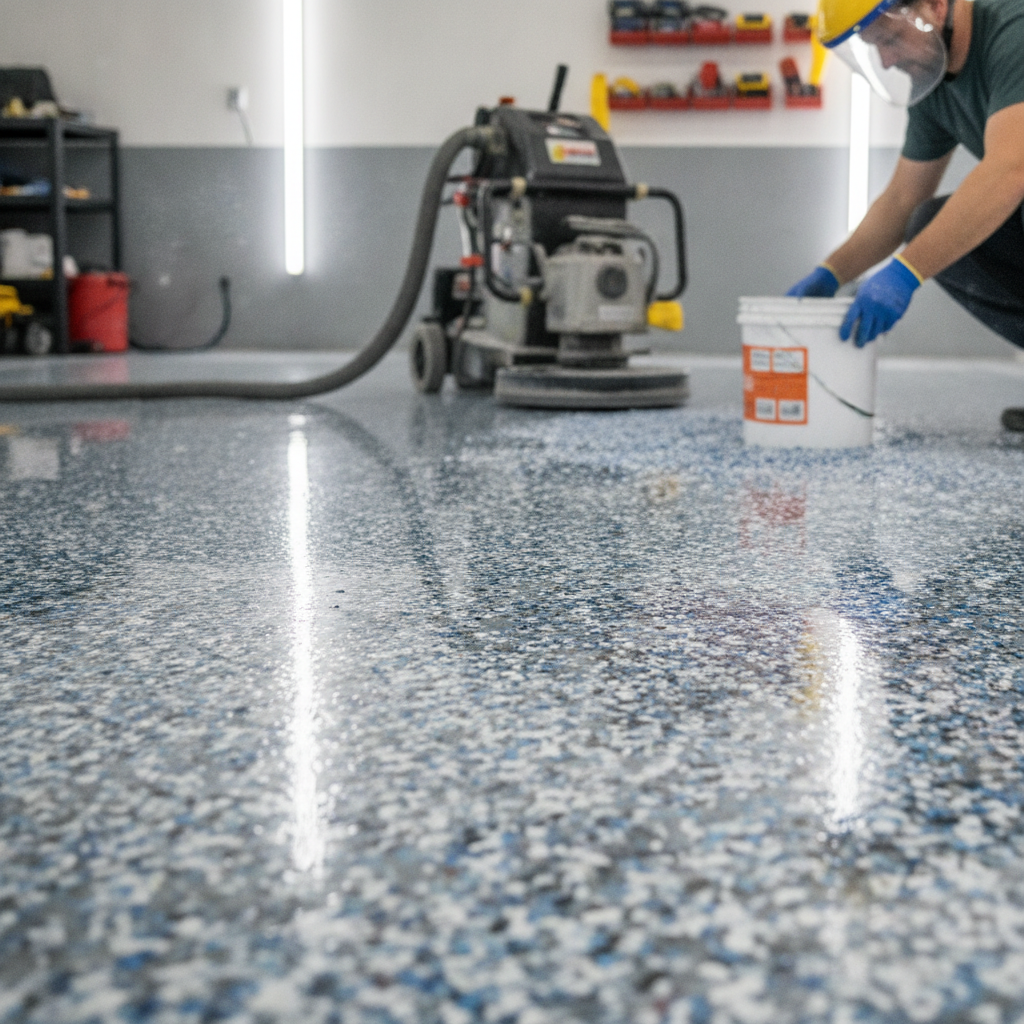
- Surface prep: Diamond grinding to open the concrete; moisture testing to avoid blistering.
- Systems: Solid-color, flake, or metallic epoxy; urethane topcoats improve UV and chemical resistance.
- Timelines: Light foot traffic often in 24 hours; vehicle return commonly 72+ hours after final coat.
Deck sanding and fence staining
- Deck sanding: Smooths raised fibers; step through grits (60–80 to 100–120) before staining for even color.
- UV-protective stains: Semi-transparent or solid stains with UV absorbers; maintain every 2–3 seasons depending on exposure.
- Moisture check: Target wood moisture under ~15% before staining to optimize penetration and cure.
Popcorn ceiling removal, skim coat, and paint
- Containment: Plastic walls and floor protection reduce dust migration to adjacent rooms.
- Skim coat: 1–2 passes to level; sand to a Level-5-like smoothness before primer and flat ceiling paint.
- Lighting check: Rake light reveals imperfections; touch-up compound before final coat.
Driveway paving and sealing
- Crack repair and edges: Clean, fill, and edge neatness matter; cure windows vary by product and weather.
- Seasonality: Aim for late spring through early fall; keep vehicles off for the manufacturer’s recommended period.
- Curb appeal: Fresh edging and uniform sheen improve the look of the whole frontage.
Exterior window caulking replacement
- Old bead removal: Cut and pull failed caulk; clean substrate for adhesion.
- Weatherproof materials: Elastomeric, paintable, exterior-grade sealants; tool to a consistent bead.
- Energy comfort: Resealing reduces drafts and moisture intrusion, protecting interior finishes.
Power washing (pressure washing)
- Pre-paint prep: Removes chalking and contaminants for better adhesion.
- Seasonal refresh: Wash siding, walkways, and decks annually to extend coating life.
- Nozzle and psi control: Use fan tips and appropriate pressure to avoid furring wood or etching concrete.
For a contractor directory perspective on service expectations, browse this painting professionals page to see common deliverables and scope language.
Best practices the best residential painting contractors follow
The best contractors win on preparation, protection, and product match. Expect clear scope notes, dust control, bonded primers, correct spread rates, and strict recoat windows. Crews document colors and sheens, label leftovers, and schedule check-ins so you get a finish that looks sharp and holds up for years.
Preparation and protection
- Dust control: HEPA vacs, tack cloths, and jobsite ventilation reduce airborne dust that telegraphs through paint.
- Masking discipline: Fully mask floors and fixtures; painter’s tape is removed within 24 hours to avoid adhesive residue.
- Repair quality: Feather drywall patches wider than the crack, not just over it; sand with proper grits (120–150 walls, 180–220 trim).
Product and substrate pairing
- Primer selection: Stain-blocking primer on water marks; bonding primer on glossy trim and cabinetry.
- Exterior resilience: Elastomeric caulk for moving joints; UV-stable topcoats on south/west exposures.
- Cabinet coatings: Spray-applied lacquer or polyurethane for durability and a glass-like feel.
Communication and scheduling
- Daily wrap-ups: Rooms are left tidy and livable; progress updates keep everyone aligned.
- Color records: Maintain a color + sheen schedule for future touch-ups (e.g., eggshell walls, semi-gloss trim).
- Weather windows: Exterior painting scheduled around dew points, wind, and overnight lows.
Here’s the thing: if the prep is right, 2 finish coats flow faster and lay flatter. Skipping steps slows everything down later with callbacks and touch-ups. Great contractors make quality feel routine.
Tools, materials, and resources to expect
Quality outcomes depend on pro tools and matched materials: HEPA vacuums, dustless sanders, high-build primers, and ZERO VOC paints indoors; exterior-grade elastomeric sealants and UV-stable topcoats outside. Documentation of product data sheets keeps work aligned with manufacturer specs.
- Surface prep: Orbital sanders with dust extraction; diamond grinders for garage floors.
- Containment: Floor paper/Ram Board, plastic sheeting, painter’s tape, zipper-door barriers.
- Primers: Bonding, stain-blocking, and masonry primers to suit substrates.
- Topcoats: ZERO VOC interior paints; weather-resistant exterior paints; urethane topcoats for epoxy systems.
- Application: Quality rollers (3/8–1/2″ naps), angled sash brushes, and HVLP/airless sprayers for cabinets and trim.
- Documentation: Product data sheets, recoat windows, and cure timelines posted on-site.
When you see a crew label gallons with room names and sheen notes, that’s a signal of long-term thinking. Touch-ups six months later are painless when everything’s recorded.
Case studies: Milton and Mississauga homes
Real-world outcomes show the value of a disciplined process. These snapshots from Milton and Mississauga highlight how prep, product selection, and sequencing reduce disruption and improve results—while leveraging services beyond wall paint to modernize high-use spaces.
Milton living room + kitchen refresh
- Scope: Walls, trim, and ceilings in an open-plan space; light-to-medium color shift.
- Approach: ZERO VOC paints, eggshell on walls, semi-gloss on trim; two finish coats after spot-priming repaired areas.
- Outcome: Brighter feel and easier cleaning on handrails and doors; furniture protected and reused the same week.
Mississauga cabinet spraying + backsplash repaint
- Scope: Cabinet doors and boxes cleaned, deglossed, sanded, primed, and sprayed; walls touched up to match.
- Approach: Professional lacquer with controlled cure times; labeled hardware for flawless reassembly.
- Outcome: A modern, “factory” look without the disruption of a full kitchen reno.
Garage epoxy + exterior touch-ups
- Scope: Diamond grind, moisture test, flake system with urethane topcoat; spot painting of trim and doors.
- Approach: Sequenced for minimal downtime—foot traffic in about 24 hours, vehicle return after full cure.
- Outcome: A durable, stain-resistant floor and tuned-up curb appeal.
Contractor vs. DIY: what’s different?
Pros bring systems: dust control, bonded primers, spray capability, and scheduling that keeps homes livable. DIY often trades time for learning curve. If you want predictable timelines, cleaner air during work, and a finish that holds up, a vetted contractor is the safer bet.
| Factor | Residential Contractor | DIY |
|---|---|---|
| Prep Quality | Systematic (sanding, priming, masking) | Varies; easy to under-prep |
| Indoor Air | ZERO VOC options, fast turnover | Paint choice may be inconsistent |
| Finish Consistency | Pro cutting-in and spray options | Learning curve shows in lines |
| Timeline Certainty | Planned milestones and walkthrough | Uncertain; nights/weekends only |
| Specialty Surfaces | Cabinet spray, epoxy, deck sanding | Limited tools and experience |
A good rule of thumb: If it involves spraying, repair blending, or exposure to the elements, hire. If it’s a single accent wall with minor prep, DIY may be fine.
Frequently Asked Questions
Homeowners ask about timelines, low-odor options, seasonal scheduling, and how to prepare rooms. These quick answers cover the essentials so your project runs smoothly with minimal disruption and a finish that lasts.
How do I prepare my home before painters arrive?
Clear small decor and personal items, unplug electronics, and remove fragile objects from walls and shelves. We move and protect large furniture, mask floors and fixtures, and set up dust containment. Keep pets and kids away from active work zones for safety and speed.
Are ZERO VOC paints really low odor?
Yes. ZERO VOC formulas reduce odors significantly compared to traditional paints. Most rooms are comfortable within hours of application, and many families re-enter the same day. We still ventilate, run fans, and suggest gentle cleaning during the 7–14 day cure period.
When is the best season for exterior painting in Milton?
Late spring through early fall is ideal. We avoid nights with low temperatures and plan around dew points and wind. South- and west-facing elevations need UV-stable topcoats, especially in open areas where sun exposure accelerates wear.
How long does a typical interior repaint take?
Two to three average rooms usually take 2–3 working days, including prep, priming, and two finish coats. We keep daily wrap-ups tidy so spaces remain usable. Complex repairs, cabinets, or specialty finishes may extend timelines to protect cure quality.
Conclusion and next steps
If you want predictable timelines, cleaner indoor air, and finishes that stand up to Canadian weather, hire residential painting contractors who lead with prep. In Milton and Mississauga, Home Painter Services delivers ZERO VOC interiors, exterior weather systems, cabinet spraying, epoxy floors, and more—on a documented, on-time schedule.
- Key takeaways:
- Prep, protection, and product pairing decide finish quality far more than the final coat alone.
- ZERO VOC paints, UV-stable exterior coatings, and elastomeric sealants improve health, durability, and comfort.
- Sequencing—consult, prep, prime, paint, cure, walkthrough—keeps your home livable and projects on time.
- Specialty services (cabinet spray, epoxy, deck sanding/staining, caulking, power washing) modernize and protect high-use areas.
Ready to refresh your home? Book a free color consultation and estimate with a trusted local team. We serve Milton and nearby Mississauga and Oakville with an on-time completion promise.
