



A broken seal on window is the loss of an insulated glass unit’s airtight edge, allowing moisture between panes and reducing thermal performance. Typical signs include persistent fogging, condensation, and distorted views. Fixes range from exterior recaulking to replacing the glass unit. For Milton-area homes near 316 Bergamot Ave, quick action restores comfort and efficiency.
By ZIKRIA MUJAHID · Home Painter Services
Last updated: 2026-06-27
At a Glance: Broken Window Seal
A broken window seal traps moisture between double panes, causing fogging and heat loss. You can confirm by checking for condensation that won’t wipe off and failing desiccant edges. The fastest fixes are exterior frame recaulking for drafts and insulated glass unit (IGU) replacement for long-term clarity and efficiency.
- What you’ll learn: Clear definitions, fast diagnostics, and proven fixes that align with professional exterior window caulking replacement.
- Who this helps: Homeowners in Mississauga, Milton, and nearby neighborhoods who notice fogged double-pane windows.
- Why act now: Heat loss through compromised windows can be substantial in winter and summer; early repair protects comfort and finishes.
Local considerations for 316 Bergamot Ave
- Wind exposure near Tremaine Street can push rain into weak frame joints; plan timely exterior window caulking replacement to prevent intrusion around siding.
- Freeze-thaw cycles after snowfalls near Walker Park stress perimeter seals; inspect panes for new fogging each spring.
- Before repainting trim, reseal windows first; fresh caulk lines help the coating shed water and extend paint life on exterior frames.
What Is a Broken Window Seal?
A broken seal is when the airtight edge of a double- or triple-pane insulated glass unit fails. Gas escapes, outside air enters, and moisture condenses between panes. The result is fogged glass, reduced insulation, and uncomfortable rooms until the seal’s function is restored or the IGU is replaced.
In simple terms, the sealed space between panes is no longer sealed. That gap was filled with dry air or inert gas to slow heat transfer. When it leaks, humidity creeps in and leaves a hazy film that cleaning can’t reach.
- Common triggers: UV exposure, thermal expansion, aging sealants, house settling, aggressive power washing, and installation errors.
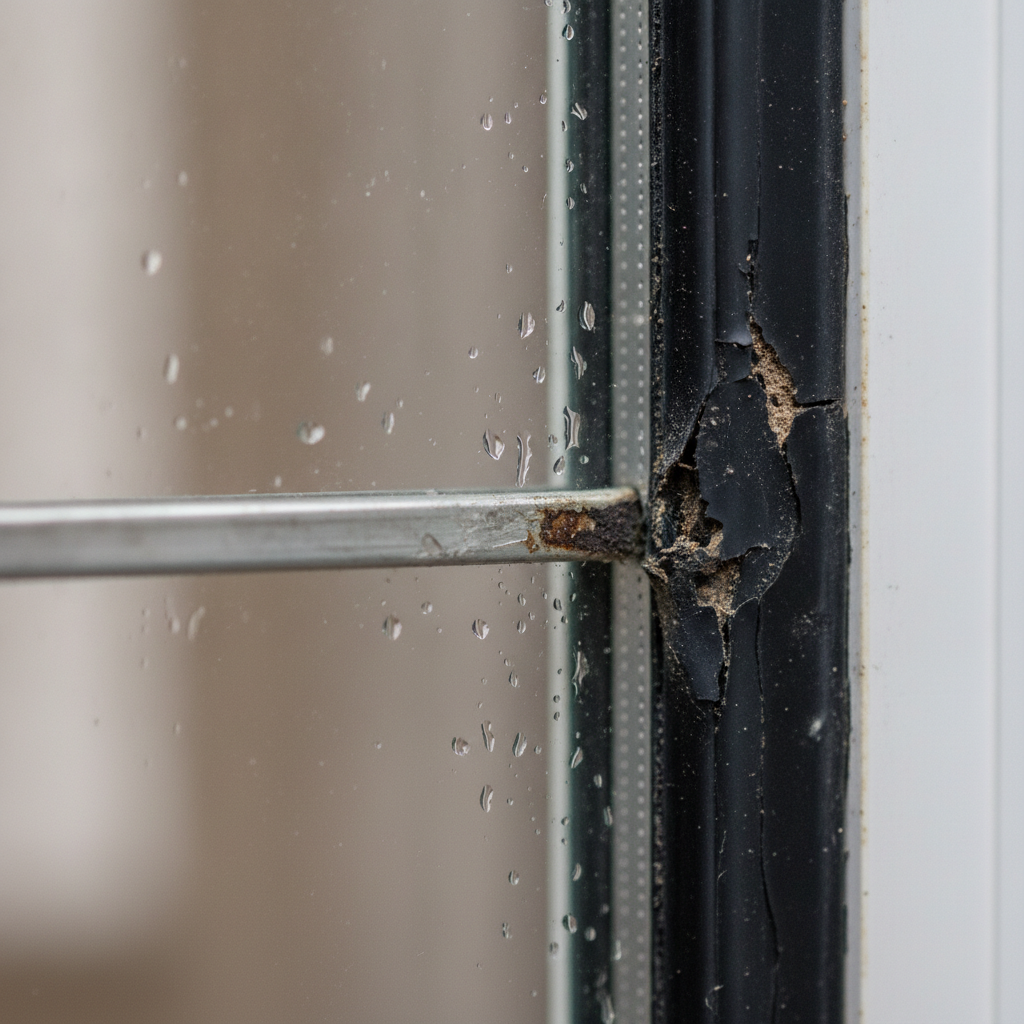
- Visible signs: Cloudy or milky patches, beads of water inside panes, and “rainbow” distortions at the edges.
- What it’s not: Surface condensation on the room side after showers—if it wipes away, the IGU may still be intact.
For families sensitive to odors, Home Painter Services already prioritizes ZERO VOC interior paints; that same health-first mindset applies when we advise low-odor sealants and dust-minimizing prep during window work.
Why a Broken Seal Matters
A failed window seal cuts insulation value, raises energy use, and risks water intrusion at frames. It also hurts curb appeal and resale because fogged panes look neglected. Fixing the seal area and restoring the glass protects comfort, interior finishes, and long-term home value.
Heat moves quickly through compromised glass. Drafty frames make rooms feel cooler in winter and warmer in summer. Stains can develop on sills and drywall when wind-driven rain finds a path. Left alone, deterioration spreads to paint films and surrounding trim.
- Comfort impact: Temperature swings of several degrees near bad windows are common during cold snaps.
- Moisture risk: Repeated dampness invites mold on wood trim and makes paint bubble or peel.
- Home value: Buyers notice fogged panes immediately; clean, dry glass signals proper maintenance.
We often pair exterior window caulking replacement with exterior painting to lock out moisture and renew trim protection in one coordinated visit.
How Double-Pane Window Seals Work
Insulated glass units (IGUs) use two panes separated by a spacer, desiccant, and perimeter sealant to create a dry, insulating gap. This assembly blocks heat flow and condensation. When the seal weakens, the gap admits humid air, fogging the glass and lowering energy performance.
Think of an IGU as a sandwich: glass, spacer with desiccant, and a tough edge seal. The desiccant absorbs residual moisture. The sealant holds everything tight against temperature swings, wind loads, and sun.
- Spacer + desiccant: Manages moisture in the cavity. When it saturates, fog appears more often and lasts longer.
- Primary seal: A thin, high-adhesion layer bonds glass to spacer and resists gas loss.
- Secondary seal: A robust outer bead protects the edge from weather and UV.
Perimeter frame caulking is different. It seals the window frame to the wall, not the glass-to-glass edge. That’s why exterior recaulking fixes drafts and leaks, while IGU replacement restores clarity.
Types of Window Seal Failures and the Right Fix
Seal problems fall into two zones: frame-to-wall leaks and IGU edge failures. Frame leaks respond to exterior recaulking and trim repairs. IGU failures require defogging or glass replacement. Choosing the right remedy depends on where the moisture path starts and the condition of surrounding materials.
Frame-to-wall problems (air and rain entry)
- Symptoms: Drafts around trim, wet sills after storms, flaking exterior paint.
- Best fix: Remove failing caulk, clean, and apply weatherproof exterior sealant; repaint trim with weather-resistant exterior paint.
- Service match: Home Painter Services’ Exterior Windows Caulking Replacement plus Exterior Paint.
IGU edge failures (fogged double-pane glass)
- Symptoms: Condensation between panes that never wipes off; hazy streaks at edges.
- Options: Defogging (moisture relief) or full IGU replacement (restores clarity and insulation).
- Service pairing: Replace glass, then reseal frame; finish with fresh paint to protect exposed trim.
When to consider full window replacement
- Indicators: Rotted frames, chronic ice buildup, or outdated single-pane units with storm windows.
- Why: New frames improve air sealing and hardware reliability; glass upgrades improve UV and heat control.
- Note: If frames are sound, replacing just the IGU is often quicker and less disruptive than full unit replacement.
Repair vs. Replace: Quick Comparison
Use exterior recaulking to stop drafts and leaks at the frame. Choose IGU replacement to permanently remove fogging and regain insulation. Defogging offers temporary clarity but not full insulation. Full window replacement is best when frames are damaged or obsolete.
| Option | Fixes | Durability | Energy Effect | Best For |
|---|---|---|---|---|
| Exterior recaulking | Seals frame-to-wall gaps | Multi-year when prepped and painted | Reduces drafts/infiltration | Wind-driven rain, air leaks |
| Defogging | Drains moisture from IGU cavity | Short-to-medium term | Limited boost; gas not restored | Temporary cosmetic clarity |
| IGU replacement | New sealed glass unit | Long term | Restores insulation value | Persistent fogging, sound frames |
| Full window replacement | New sash + frame | Longest | Max air + thermal upgrade | Rot, outdated windows |
Step-by-Step: Diagnose and Decide the Right Fix
Confirm a failed seal by testing whether fog is between panes, checking for drafts around trim, and inspecting caulk lines. If fog won’t wipe off, plan IGU replacement. If drafts or leaks exist, prioritize exterior recaulking and repainting to protect the frame and surrounding siding.
1) Quick tests you can do today
- Wipe test: Clean both sides. If haze stays, it’s inside the IGU.
- Flashlight test: Shine from outside at night; interior reflections help reveal the inner fog layer.
- Draft test: On a breezy day, feel around trim; fluttering tissue often reveals leaks.
2) Inspect exterior joints
- Look for cracked or separated caulk where frame meets siding or brick.
- Check lower corners for dirt tracks—signs of water paths.
- Note any peeling paint; water undermines coatings from beneath.
3) Choose your path
- Only drafts/leaks? Book exterior window caulking replacement, then repaint trim with weather-resistant exterior paint.
- Fogging inside panes? Replace the IGU for lasting clarity and insulation.
- Both? Tackle frame sealing first to protect the opening, then replace the IGU.
We often prepare the area with gentle washing before resealing. For safe prep methods around delicate window seals, see our power washing tips.
Best Practices to Prevent Future Seal Failure
Protect window seals by keeping exterior caulk intact, maintaining paint films on trim, and avoiding high-pressure washing near glass edges. Manage interior humidity with ventilation. Annual inspections after winter catch small issues before they turn into fogged panes and damaged frames.
Exterior envelope care
- Recaulk on schedule: UV and movement fatigue sealants; plan periodic replacement with weatherproof products.
- Maintain paint: Quality exterior coatings shed water; repaint trim when sheen fades or hairline cracks appear.
- Gentle cleaning: Use low-pressure rinses; keep spray angles shallow around glass-to-frame edges.
Interior humidity control
- Run bath and kitchen fans during and after use.
- Keep indoor RH around 30–50% to minimize condensation on cold nights.
- Circulate air with ceiling fans to reduce cold spots near glass.
Seasonal checkups
- Each spring, scan for new fogging after freeze-thaw cycles.
- Probe wood trim with a pick; soft spots suggest hidden moisture.
- Photograph caulk lines; comparing year-over-year helps spot early cracking.
Tools and Resources for Homeowners
You can spot seal failures with simple tools: microfiber cloths, a flashlight, a putty knife, and painter’s tape. For repairs, a quality caulk gun, exterior sealant, and surface prep tools are essential. When glass fogs internally, partner with a pro to order and install a matching IGU.
- Inspection kit: Cloths, flashlight, tissue, mirror (for weep hole checks), and a smartphone for photos.
- Recaulking kit: Utility knife, scraper, isopropyl alcohol, rags, high-quality exterior sealant, and a steady caulk gun.
- Finish protection: Painter’s tape, drop cloths, and weather-resistant exterior paint to seal the work.
When we reseal windows, we stage protection like we do for ZERO VOC interior painting: we mask carefully, ventilate well, and keep work areas clean for families and pets.
How We Perform Exterior Window Recaulking On-Site
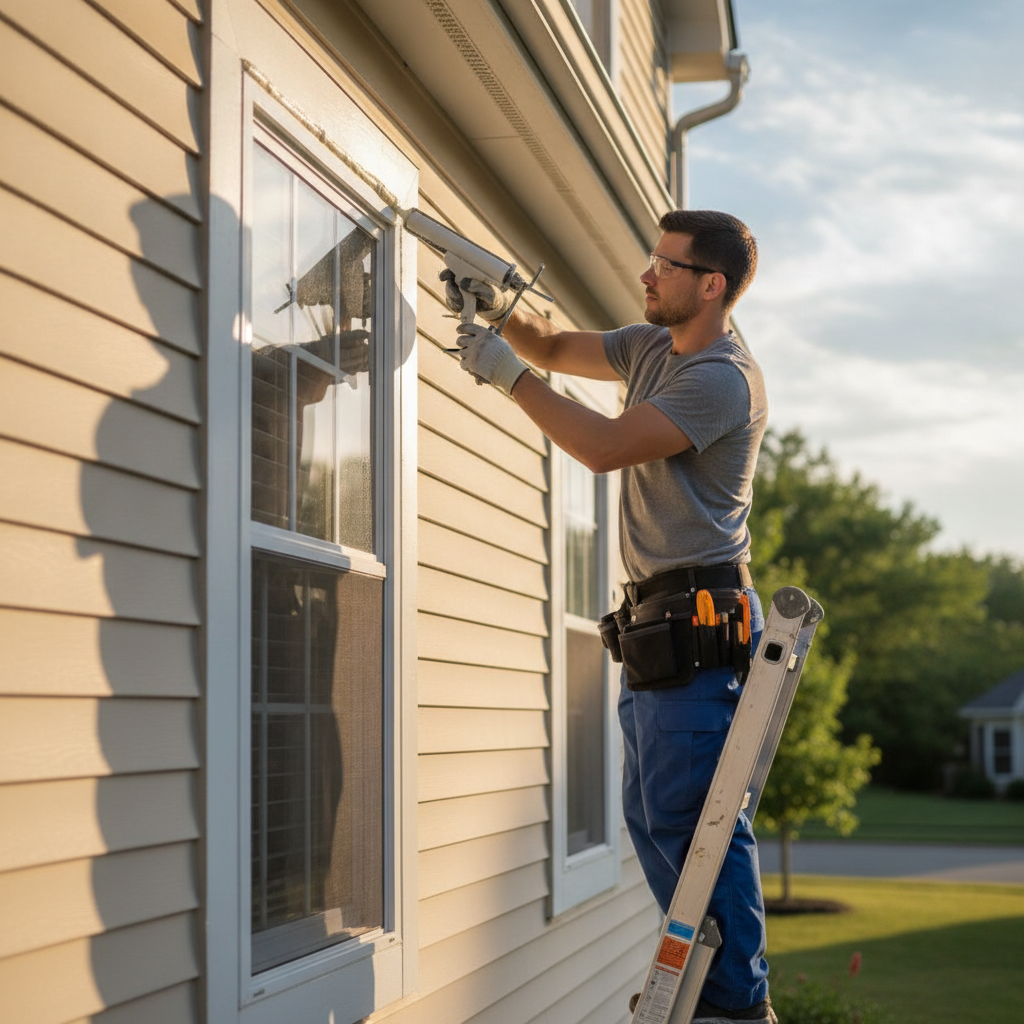
Our crews remove failing bead, prep and clean the joint, apply premium weatherproof sealant, and finish with protective exterior paint. The sequence stops drafts and water entry at the frame-to-wall interface and extends trim life. Clean lines also improve curb appeal immediately.
- Assess and mask: Inspect all sides; mask edges and set drop cloths over landscaping.
- Remove old caulk: Cut, pull, and scrape until the substrate is clean and dry.
- Clean the joint: Wipe with alcohol or manufacturer-approved cleaner; allow to dry fully.
- Apply backer (if needed): For wide gaps, insert foam backer rod for proper sealant depth.
- Gun the bead: Steady pressure, continuous bead; tool lightly for adhesion and shape.
- Paint protection: After cure, apply weather-resistant exterior paint to shield the new seal.
We coordinate with homeowners so work aligns with other projects like deck staining or fence staining, minimizing disruption and repeat site visits.
Real-World Examples Near 316 Bergamot Ave
In our Milton projects near 316 Bergamot Ave, we’ve stopped drafts with frame recaulking, then restored window clarity by replacing fogged glass units. Coordinating sealing and painting in one visit protects trim and quickly improves comfort, especially after harsh freeze-thaw cycles.
- South-facing bay window: UV-aged sealant caused leaks. We resealed the frame, painted trim, and recommended IGU replacement for two fogged panes.
- Second-story bedroom: Persistent condensation between panes. The frame was sound, so glass replacement solved the issue without a full window swap.
- Near Tremaine at Bergamot stop: Wind-driven rain exposed hairline cracks in caulk. New sealant and repainting stopped the staining on interior sills.
FAQ: Broken Window Seals
If your double-pane glass is fogged inside, you likely have a failed IGU seal. Recaulking fixes frame leaks; glass replacement restores clarity and insulation. These concise answers help you decide what to do next and when to call a pro for exterior window caulking replacement.
How do I know if the fog is inside the glass?
Clean both sides of the window. If haze remains, it’s in the insulated gap. A flashlight shone at night often reveals a milky layer that won’t wipe off—this points to an IGU seal failure rather than surface condensation.
Will exterior recaulking remove the fog?
No. Recaulking seals the frame-to-wall joint to stop drafts and leaks, but it doesn’t repair the glass unit’s edge seal. For fog between panes, the lasting fix is insulated glass unit (IGU) replacement, often without replacing the entire window.
Can defogging save my window?
Defogging vents moisture from the IGU cavity and can improve clarity for a while. However, it doesn’t restore the original gas fill or full insulation value. It’s best when you want a cosmetic improvement and plan for IGU replacement later.
Do I need to replace the entire window frame?
Not usually. If the frame is sound and square, replacing just the insulated glass unit returns clarity and performance with less disruption. Reserve full window replacement for rotted frames or outdated designs that no longer seal well.
Key Takeaways and Next Steps
If fog won’t wipe off, the IGU seal has failed. Recaulk frames to stop leaks, then replace fogged glass to restore insulation and clarity. Coordinate sealing and painting for the longest-lasting protection and better curb appeal in one efficient visit.
- Broken seal on window = moisture between panes + lower insulation.
- Recaulking cures drafts; IGU replacement cures fogging.
- Protect the repair with weather-resistant exterior paint.
- Inspect seals after winter and heavy storms; act early.
Ready for help? Home Painter Services can reseal frames, protect trim with exterior paint, and coordinate with your glass supplier for IGU replacement so you handle it all in one plan.
For seasonal efficiency habits local homeowners use during hot summers, see this efficiency primer. For comfort troubleshooting during heat waves, this homeowner guide outlines ventilation tips that also reduce window condensation. Spring checkups like those in this seasonal checklist pair well with an annual window-seal inspection.
