


Paint finishes that work: choosing the right sheen for every room and surface
Paint color may grab attention, but paint finishes determine how a space looks day to day—how light bounces, how well walls clean up after scuffs, and how much surface texture shows. The right sheen can make a small room feel airier, keep high-traffic areas easier to maintain, and help older walls look smoother. This guide explains the most common paint finishes, how to pick them for each room and surface, and what to know about maintenance so your results last and look intentional.
Common interior paint finishes
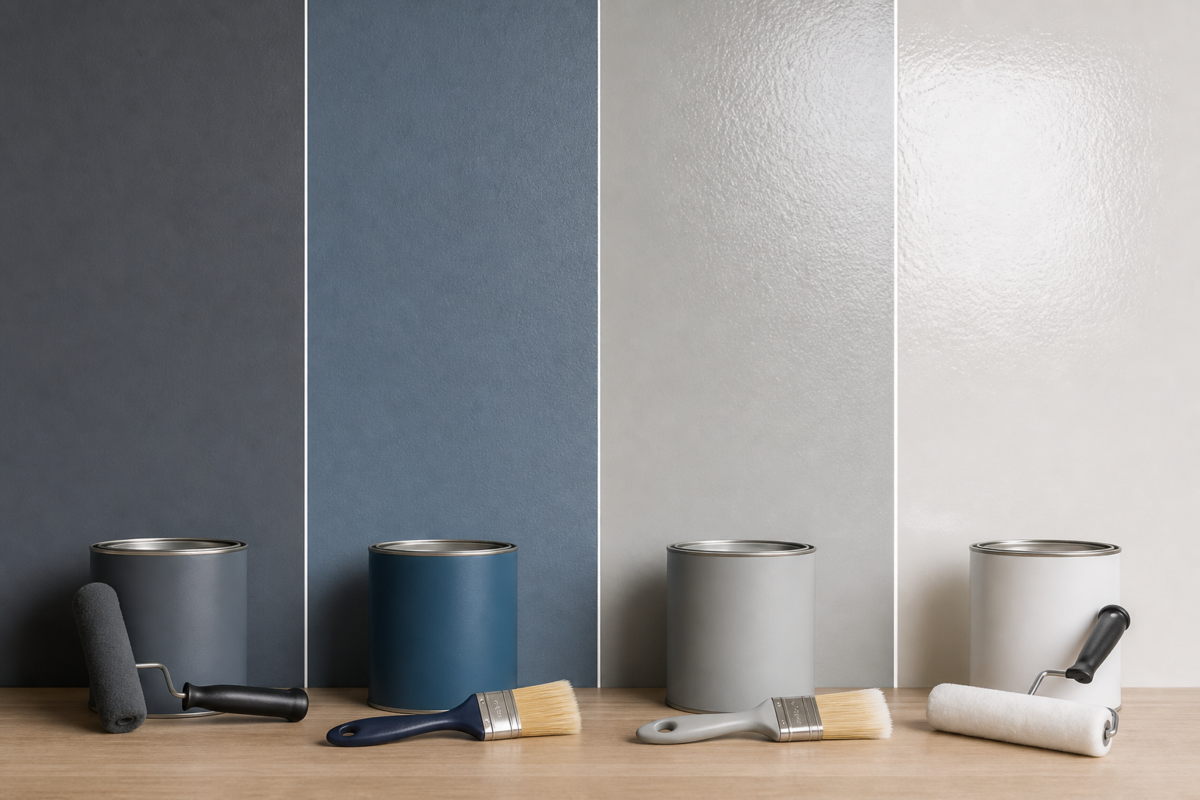
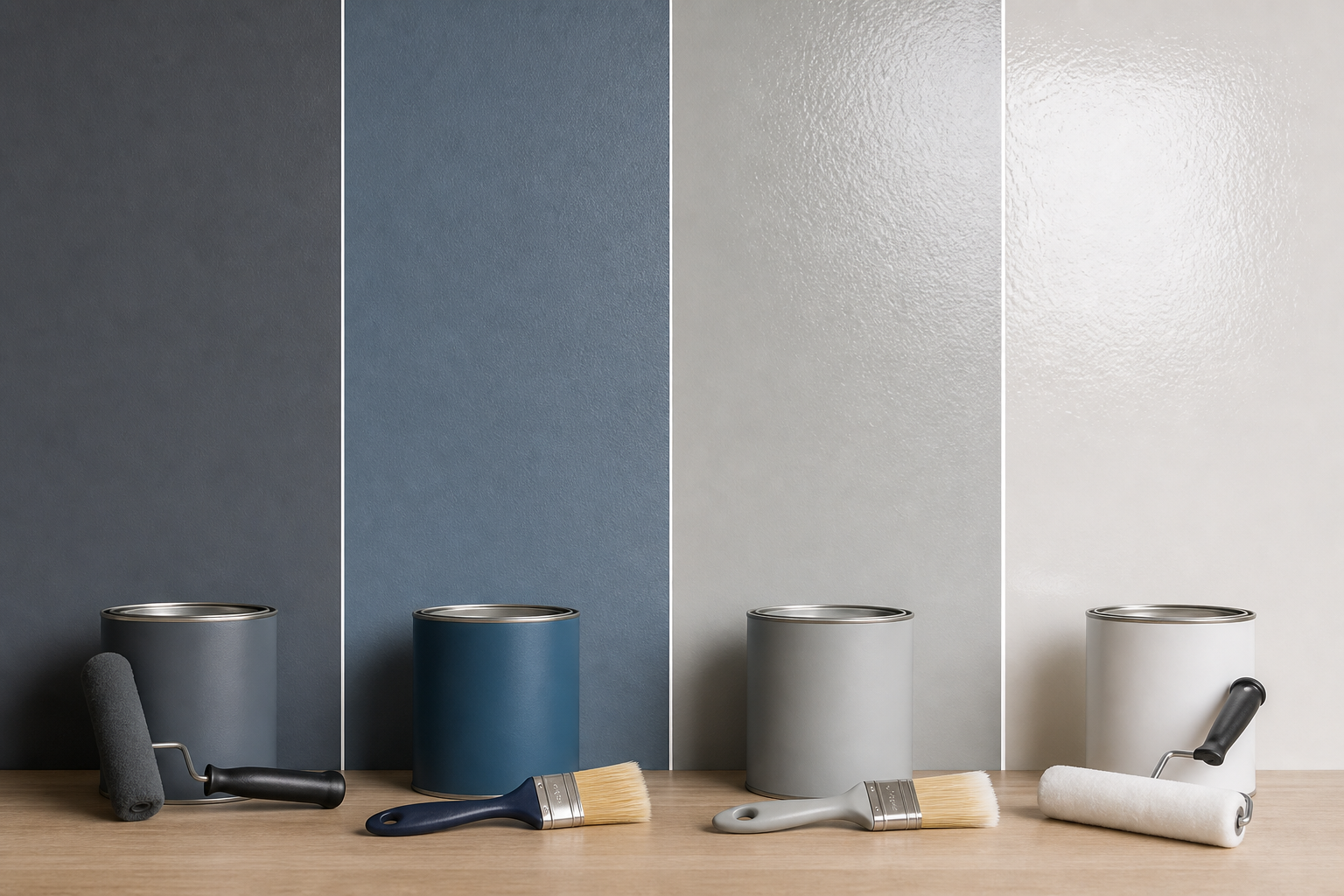
Most interior paints are offered in several sheen levels. As sheen increases, so do reflectivity and generally cleanability, while surface imperfections tend to become more visible. Here’s what to expect from each option.
- Flat/Matte: Very low reflectivity. Great at disguising patches, drywall seams, and texture irregularities. Ideal for low-traffic spaces where frequent scrubbing isn’t needed. Touch-ups blend well because the finish doesn’t catch the light as much. Expect less stain resistance than higher sheens.
- Eggshell: A subtle soft glow—often the default for living spaces. It balances washability with a forgiving look on imperfect walls. Suitable for family rooms, dining rooms, and many bedrooms.
- Satin: Noticeably more sheen and durability. A smart pick for moderate-to-high traffic areas and rooms that face occasional moisture or grease, like hallways, kids’ rooms, and many kitchens. Reveals more roller or brush marks if application is rushed.
- Semi-gloss: Bright, reflective, and highly cleanable. Common for trim, doors, and cabinets where durability matters and a crisp outline is desirable. On walls, it can highlight texture and repairs, so prep must be thorough.
- Gloss/High-gloss: The most reflective and durable mainstream option. Striking on doors, accent millwork, and furniture. Requires meticulous surface preparation because every flaw is emphasized.
- Specialty mid-sheens (“pearl,” “low lustre,” etc.): Brand-specific names sit between eggshell and semi-gloss. Use them as incremental steps if you want a hint more shine or washability without jumping to semi-gloss.
Note on formulations: Modern lines include options emphasizing low odor and reduced emissions. When indoor air quality is a priority, consider paints marketed as low- or zero-VOC. Always follow manufacturer instructions for best results.
Finish by room and surface
Use the room’s demands and the surface material to guide your choice. The suggestions below aim for a balance of appearance, practicality, and ease of upkeep.
- Living rooms and family rooms (drywall walls): Eggshell offers a refined look with reasonable cleanability. Choose matte if you want the smoothest appearance on older walls, or satin if fingerprints and scuffs are frequent.
- Bedrooms (adult spaces): Matte or eggshell for a calm, soft look. Go eggshell if you expect occasional cleaning; matte if hiding imperfections is the top goal.
- Kids’ rooms and playrooms: Satin provides better stain resistance and easier wipe-downs. Consider eggshell if walls are in great condition and you prefer less shine.
- Hallways and stairwells: These high-contact areas benefit from satin. It handles bumps from bags and regular touch-ups better than very low sheens.
- Kitchens (walls): Satin is a common choice for balancing washability with appearance. Keep backsplashes in a more washable sheen or a specialty coating compatible with regular cleaning.
- Bathrooms (walls): Look for moisture-tolerant paints in an eggshell or satin finish, depending on ventilation and cleaning needs. Proper surface prep and compatible primers are essential in damp spaces.
- Ceilings: Flat/matte is typical; it hides seams and reduces glare from overhead lights. In kitchens and baths with humidity, use a ceiling-rated product the manufacturer approves for those environments.
- Trim, casings, baseboards: Semi-gloss is the go-to for a crisp edge that resists scuffs from vacuums and shoes. For a softer look, try satin on trim while keeping doors semi-gloss for durability.
- Interior doors: Semi-gloss or gloss for a durable, wipeable surface. High-gloss creates a dramatic, lacquered effect but demands flawless prep.
- Cabinets: Semi-gloss or satin are popular for a balance of sheen and maintenance. Smooth, sprayed applications can elevate the final look; accurate labeling for cabinet-suitable products helps with long-term performance.
- Basement masonry or utility spaces: Choose a finish compatible with the substrate and any moisture considerations. Sheen selection should follow the product’s guidance for concrete or masonry.
- Feature walls and accents: Consider changing sheen to create subtle contrast even when using the same color—e.g., eggshell on field walls, satin on a panelled feature to highlight detail.
Decision factors and mistakes to avoid
Sheen selection is a trade-off. Use these criteria to decide quickly and avoid common pitfalls.
- Traffic and cleaning frequency: Higher sheens typically clean more easily. For spaces touched daily—hallways, kids’ rooms, mudrooms—lean satin or semi-gloss. Low-touch areas can stay matte or eggshell.
- Wall condition and texture: The more reflective the finish, the more it highlights tape lines, patches, and orange peel. If the substrate isn’t pristine, eggshell or matte will be more forgiving.
- Lighting type and direction: Raking light from large windows or low fixtures accentuates surface flaws. In those areas, reduce sheen or improve prep before choosing a shiny finish.
- Color depth and appearance: Dark colors look richer and can appear glossier; very light colors can bounce more light. Always view large samples in the actual room at different times of day.
- Moisture and temperature swings: Kitchens and bathrooms benefit from finishes and products compatible with periodic cleaning and humidity. Confirm the product’s suitability for the space.
- Application method and skill: Roller stipple, brush marks, and lap lines show more in higher sheens. If you’re new to painting, eggshell offers a forgiving middle ground.
- Primers and compatibility: A suitable primer helps with adhesion, stain-blocking, and uniform sheen. Inconsistent priming can cause flashing (dull patches) regardless of the topcoat.
Common mistakes to avoid:
- Choosing purely by trend: A shiny finish on flawed walls will disappoint no matter the color. Assess the substrate first.
- Ignoring cleaning needs: If you wipe walls often, select a finish and paint designed for that routine.
- Skipping samples: Sheen can change how a color reads—glossier finishes may appear lighter and more saturated under strong light.
- Mismatched touch-ups: Touching up higher-sheen walls can create visible patches. Keep extra paint, and when possible, repaint from break to break (corner to corner) for uniformity.
Care and maintenance by finish
Proper care extends the life and look of any paint job. Tailor your cleaning method to the finish you chose.
- Flat/Matte: Dust gently first. For marks, start with a soft cloth and water; avoid aggressive scrubbing that can burnish the surface. If a spot remains, very light dabbing with diluted mild soap can help—test in an inconspicuous area. When buildup becomes noticeable, a fresh maintenance coat is often the cleanest solution.
- Eggshell: Wipe with a damp microfiber cloth for most smudges. Use mild soap sparingly and rinse with clean water to avoid residue. Pat dry to prevent streaking.
- Satin: Handles routine cleaning well. Use a non-abrasive sponge and a mild, paint-safe cleaner. Rinse and dry to maintain consistent sheen.
- Semi-gloss and Gloss: Very cleanable. Avoid scouring pads and harsh chemicals that can dull the finish. For sticky residues (on doors and cabinets), a soft cloth with a gentle cleaner usually suffices, followed by a water wipe and dry.
General tips:
- Address spills and splatters promptly to minimize staining.
- Use exhaust fans in kitchens and baths to limit moisture-related issues.
- Protect high-contact corners with clear guards if scuffs are frequent.
- Store labeled leftover paint for touch-ups, noting room, color, brand, finish, and date.
A quick sample-and-selection playbook
Testing with intention avoids second-guessing and costly repaints. Use this compact playbook to validate your sheen choices.
- Shortlist by room demands: Pick two likely finishes (e.g., eggshell and satin for a hallway).
- Prime a test area if needed: Ensures accurate sheen and color read.
- Apply two coats: Many finishes reveal true character only after the second coat dries.
- Evaluate under real lighting: Check morning, afternoon, and evening; step back and view from multiple angles.
- Smudge test: After full cure per label, wipe a small area to gauge cleanability.
- Decide with priorities in mind: If you value a silky look on older walls, choose the lower sheen; if easy cleaning wins, go higher.
Paint finishes: FAQ
Which paint finish hides wall imperfections best?
Flat or matte finishes hide surface irregularities most effectively because they reflect minimal light. If you need a bit more washability without emphasizing flaws, consider eggshell.
What’s the most durable finish for trim and doors?
Semi-gloss is a common choice for trim and doors due to its balance of toughness and appearance. Gloss or high-gloss increases durability and shine but demands excellent prep to look its best.
Is satin better than eggshell in busy areas?
For high-traffic zones, satin typically cleans more easily and resists marks better than eggshell. If wall condition or lighting makes satin look too reflective, eggshell can be a practical compromise.
How do paint finishes affect color appearance?
Higher sheens reflect more light, which can make colors appear slightly brighter and more vivid. Lower sheens diffuse light, often giving colors a softer, more velvety look. Always test in your actual space.
Do bathrooms and kitchens need special finishes?
Moisture and frequent cleaning call for a compatible product and a practical sheen—typically eggshell or satin on walls. Confirm the paint is rated for the room’s conditions and follow prep guidance.
