


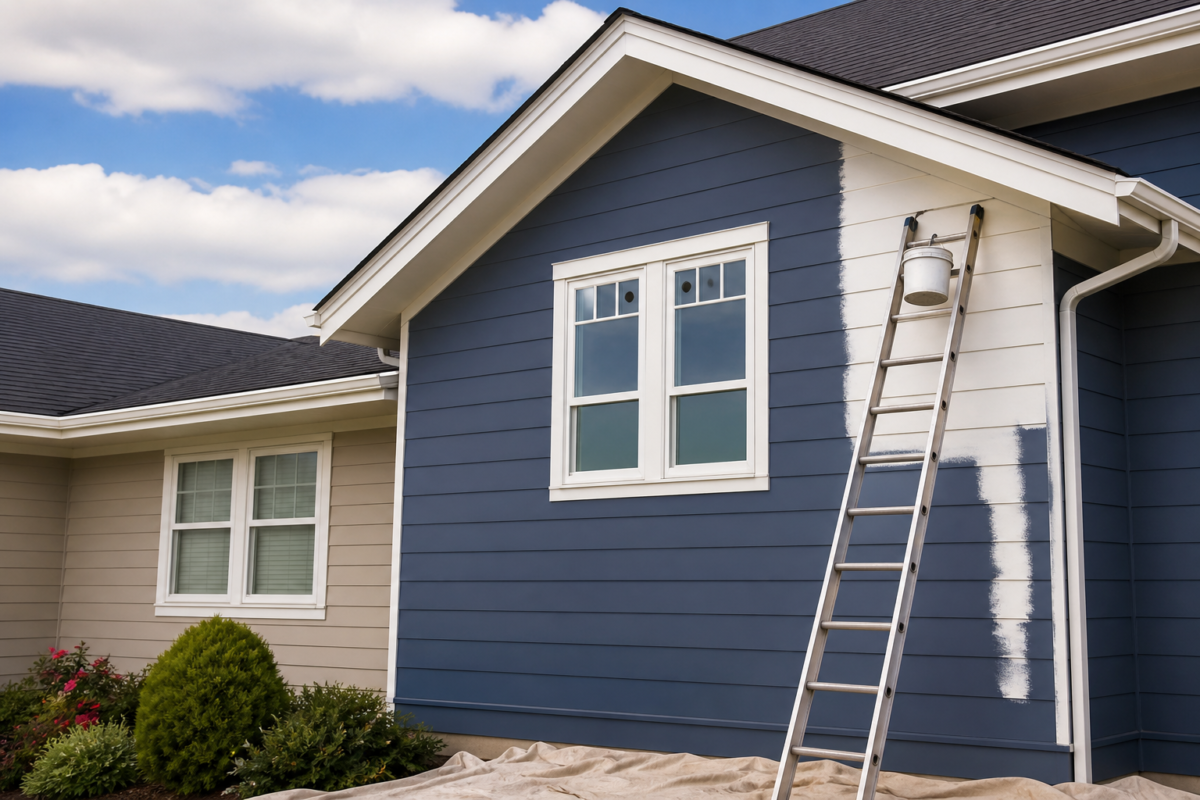
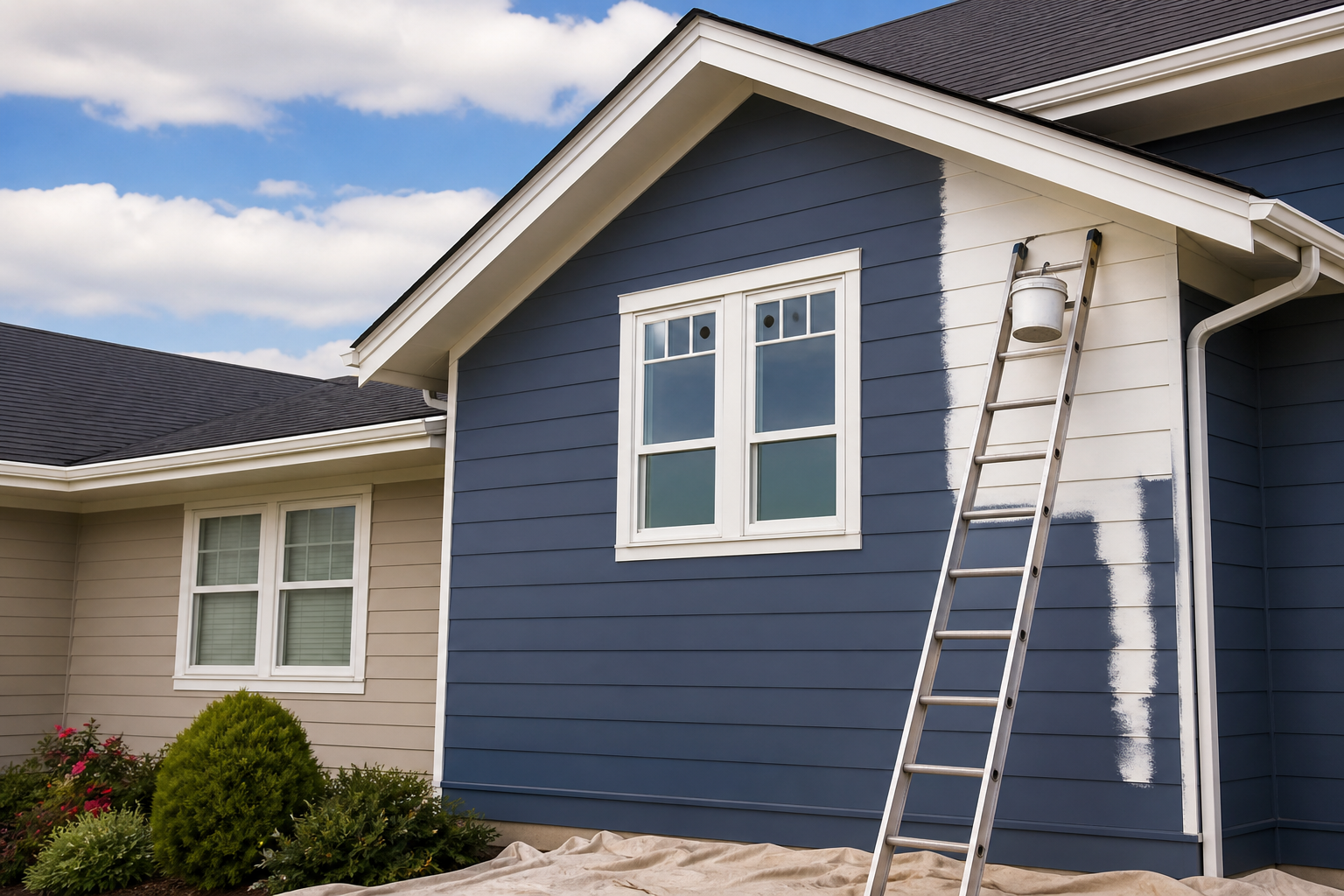
Exterior painting cost: how to scope your project before you request quotes
When you search for exterior painting cost, you’ll find plenty of ballpark numbers that don’t reflect your home, surfaces, or timing. A better path is to map the specific scope of work first. This article shows you how to define the parts of your project that actually influence cost, so you can gather accurate apples-to-apples quotes and avoid surprises mid-job.
What drives exterior painting cost
Every home is unique, but the main levers behind exterior pricing are consistent. Before you request estimates, understand which of these apply to you:
- Size of paintable area: Total exterior surface area drives both labor hours and material quantities.
- Number of stories and height: Taller homes generally require more setup time, ladders or lifts, and safety measures.
- Surface type and condition: Stucco, brick, vinyl, aluminum, engineered wood, and natural wood all require different prep and application approaches. Worn or peeling surfaces add scraping, sanding, and repairs.
- Detail complexity: Gables, dormers, shutters, intricate trim, railings, and multiple color breaks increase masking, cutting-in, and touch-up time.
- Prep intensity: Power washing, scraping, sanding, patching, priming, and caulking are foundational to a durable finish and often a major share of the labor.
- Coating system: Primer requirements, paint quality level, sheen, and number of coats affect both material and labor input.
- Access and obstacles: Landscaping, sloped grades, limited driveway access, nearby structures, and tight setbacks can slow production.
- Weather and timing: Start dates, season, and daily temperature windows influence scheduling and efficiency.
- Add-ons and adjacent work: Doors, garage doors, gutters, downspouts, fences, decks, and pergolas are commonly requested extras.
How to measure and plan your scope
You don’t need exact blueprint-level measurements to get useful quotes, but a simple scope outline will save time and make estimates more consistent.
- List substrates and conditions: For each major surface (e.g., siding, trim, fascia, soffits, stucco, brick, doors), note current coating type if known and visible wear such as chalking, peeling, mildew, or water stains.
- Sketch elevations: A quick sketch of each side with approximate widths and heights helps you and your estimators visualize the job. Mark accent areas, color changes, and high or hard-to-reach sections.
- Count details: Tally windows, shutters, columns, railings, and decorative trim. Indicate which you want painted and which will stay as-is.
- Note access realities: Show obstacles like hedges, AC units, steep slopes, and narrow side yards. Identify where ladders, planks, or lifts could reasonably go.
- Define the coating approach: Decide if you want spot-priming only or full priming, and whether you expect one, two, or more finish coats based on color changes and coverage needs.
- Identify color changes: If switching from dark to light (or vice versa), point that out—color transitions can necessitate extra coats.
Sharing this scope with every contractor puts them on the same page when they price your exterior painting cost.
Prep and repairs that affect price
Preparation is the backbone of lasting exterior work. It’s also where bids often differ most. Make sure quotes clearly explain what prep is included.
- Cleaning: Power washing or hand washing removes dirt, chalking, and mildew that can prevent adhesion.
- Scraping and sanding: Loose or failing paint must be removed and edges feather-sanded to minimize telegraphing through new coats.
- Patching and repairs: Minor carpentry on trim or siding, crack repairs in stucco, and rust treatment on metal surfaces can be separate line items.
- Priming: Bare wood, stains, patched areas, and slick or glossy coatings typically need primer. Some substrates require a bonding or masonry primer.
- Caulking and sealing: Gaps at trim joints, around windows and doors, and at penetrations (vents, fixtures) often need fresh sealant before paint.
Ask each estimator to spell out the level of prep by surface. That clarity helps you judge the true value behind each exterior painting cost proposal.
Materials and application choices
Coating systems and application methods impact durability, look, and time on site. Your selections here influence both material spend and labor pace.
- Primer type: Wood, masonry, metal, and previously painted surfaces have different primer needs. Spot-priming versus full-priming should be explicit in the quote.
- Paint grade: Exterior-grade coatings come in tiers aimed at different longevity and finish goals. Higher-grade products often improve coverage and durability.
- Sheen: Flat, low-sheen, satin, and semi-gloss perform differently on siding versus trim. Sheen choices can affect perceived color, cleanability, and surface prep requirements.
- Application method: Brushing and rolling excel at detail and control; spraying can be efficient on large, open surfaces when followed by back-rolling or back-brushing as specified.
- Coat count: Confirm expected coverage with your color choices and substrate. More coats mean additional labor and material, but can be necessary for uniformity and protection.
Access, safety, and timing factors
Two homes with similar square footage can carry different exterior painting cost outcomes because of access complexity and schedule realities.
- Height and pitch: Steeper roofs, tall gables, and multi-story walls slow production and may require specialized equipment.
- Site constraints: Tight lot lines, mature landscaping, and obstacles increase setup time and protective covering needs.
- Protection and masking: Windows, stonework, decks, and hardscapes may need careful covering and cleanup beyond basic masking.
- Weather windows: Temperature and humidity affect dry times and daily productivity. Some substrates need extended cure time between coats.
- Coordination with other projects: If roofing, window replacement, or landscaping is planned, sequencing can reduce rework and site visits.
Line items people forget
Unplanned extras can stretch a budget. Review this list before finalizing scope so your quotes reflect the full picture.
- Doors and garage doors: These often have different prep needs, sheens, and dry-time considerations.
- Gutters, downspouts, and metal flashing: Confirm whether these are included and how they will be treated.
- Porch ceilings, posts, and railings: Horizontal surfaces and handrails may require additional prep and specific coatings.
- Fences and decks: Stain or paint on adjacent structures can be added while crews are mobilized, affecting total exterior painting cost.
- Color samples and mockups: Clarify if test patches are included and where they’ll be placed.
- Hardware and fixtures: Light fixtures, house numbers, mailbox mounts, and shutters may need removal and reinstallation.
- Window glazing and putty: Old or cracked glazing can slow window painting and may require repair.
- Caulking replacement: Around windows, doors, and trim, new sealant can improve appearance and help the paint system perform as intended.
Comparing quotes apple-to-apple
Once you’ve defined scope, use the same comparison framework for each proposal. A higher or lower price is only meaningful when the contents match.
- Scope match: Does the quote cover the same surfaces and details you listed? Are any exclusions called out?
- Prep clarity: Look for written steps per substrate: washing, scraping/sanding, patching, priming, and caulking.
- Coating system: Primer type, paint line, sheen, and number of coats should be specified.
- Application method: Spraying with back-rolling/back-brushing versus brush-and-roll only can affect coverage and appearance.
- Protection and cleanup: How will landscaping, windows, hardscape, and fixtures be protected? What cleanup is included?
- Schedule and sequencing: Confirm estimated start window and projected duration, subject to weather.
- Change management: Ask how discoveries (e.g., hidden wood rot) will be communicated and priced before proceeding.
- Warranty and documentation: If any workmanship or product documentation is provided, ensure it’s written and clear. Avoid relying on verbal assurances.
When each proposal answers these points, you can evaluate the exterior painting cost alongside the value and scope actually delivered.
Ways to manage your budget
Good planning can keep quality high without inflating total cost. Consider these approaches as you finalize your scope.
- Prioritize high-impact areas: If you can’t address everything now, focus on the most weathered elevations and street-facing details first.
- Bundle logically: Combining related work while the site is already masked and mobilized can be more efficient than separate visits.
- Choose colors strategically: Selecting colors that cover well over the existing finish may reduce the need for extra coats.
- Right-size sheen: Use higher sheens where cleanability matters (often trim and doors) and appropriate sheens on large field areas to balance appearance and practicality.
- Clarify DIY boundaries: If you plan to handle small tasks (like moving planters or trimming shrubs), confirm what’s acceptable and safe so crews can work efficiently.
FAQ
How many coats are typical for exterior painting?
Many projects plan for two finish coats on siding and trim, but the exact count should be based on your substrate, current color, target color, and coverage. Significant color changes or weathered surfaces may need additional primer or coats for uniformity and protection. Ask each estimator to state coat counts in writing.
Does power washing add to exterior painting cost?
Cleaning is a core part of prep and can be included as a line item or within a bundled prep section. It helps remove dirt, chalking, and mildew so new coatings adhere properly. Confirm whether washing is included, what method will be used, and how surfaces will dry before priming or painting.
Is caulking included in most quotes?
It depends on the estimator and your home’s condition. Some proposals include spot caulking of obvious gaps; others specify comprehensive re-caulking at joints, trim, and penetrations. Because sealant work affects appearance and performance, ask for the scope and product type to be detailed in the quote.
What if damaged wood or stucco is discovered after work starts?
Hidden damage isn’t always apparent during the first walk-through. A clear change-order process protects you: the contractor should document the finding, outline options, and provide written pricing before proceeding. Make sure your agreement explains how such situations will be handled.
Which application method is better: spray or brush-and-roll?
Each has strengths. Spraying can be efficient and deliver uniform coverage on large, open surfaces, especially when paired with back-rolling or back-brushing. Brush-and-roll offers control around details and on rough textures. The best choice depends on your surfaces, masking needs, and desired finish. Your quote should specify the planned approach.
