


Exterior paint prices: a scope checklist to compare quotes fairly
Exterior paint prices vary for sensible reasons: the size and complexity of your home, how much surface preparation is needed, the coating system you choose, site access, and project conditions. Instead of chasing a single number, the best way to take control is to define a clear, like-for-like scope and then ask each contractor to price that same scope. This article gives you a practical checklist and simple comparison framework so you can see where money goes and decide where to save or invest without sacrificing results.
What actually changes exterior paint prices
When two quotes look far apart, it’s usually because the scope isn’t the same. Use these factors to understand where differences usually come from:
- Surface inventory: Total area to be painted, number of stories, architectural details, and how many distinct materials are involved (for example, siding, trim, stucco, brick accents, doors, railings, or fencing).
- Condition and prep: The extent of scraping, sanding, patching, caulking, priming, and cleaning required before any topcoat goes on.
- Coating system: Primer type, exterior-grade paint or stain selection, sheen, color changes, and the number of coats.
- Access and safety: Ladder work, scaffolding, lifts, masking and protection, and how hard it is to reach certain elevations or features.
- Site and timing: Weather windows, sequencing with other work, and whether surfaces require pre-paint washing.
- Detail items: Windows, doors, shutters, gutters, downspouts, railings, porches, and detached structures often price as separate line items.
The goal is not to memorize pricing tricks—it’s to build a scope that makes each quote directly comparable. The sections below walk you through that.
Build a like-for-like scope before you request quotes
Use this homeowner-friendly worksheet to define what’s in and what’s out. Share it with every contractor so bids land on the same target.
- List every exterior surface to be coated. Include siding, trim/fascia/soffits, eaves, doors, shutters, garage doors, columns, railings, decks or fences you want painted or stained, and detached structures (sheds, pergolas).
- Note the material of each surface. Examples: wood, fiber cement, metal, stucco, masonry, vinyl, composite. Different materials can require different prep and primers.
- Record the current condition. Light wear, peeling/flaking, chalking, cracks, failed caulk, mildew, previous stain failure, or bare patches. More wear typically means more prep.
- Specify color directions. Same color or color change; if changing, indicate light-to-dark or dark-to-light and any accent colors for doors or trim.
- Define the coating approach. Paint, stain, or clear protective coat; desired sheen for paint; and whether you want a primer step where needed. Exterior-grade coatings designed to stand up to weather are commonly used for longevity.
- Clarify the number of coats. Ask for a consistent assumption across all bids so you can compare. If you’re unsure, ask each contractor to state their recommended coat count for your surfaces.
- Identify prep tasks you expect included. Cleaning or power washing, scraping/sanding, spot repairs, caulking replacement around windows/doors, patching, and mask/protection for landscaping and hardscape.
- Call out access realities. Number of stories, sloped lots, tight side yards, and any areas requiring special equipment, plus whether you’re requesting painting of high features like gables or chimneys.
- Set what’s excluded. For example, “No fence,” “No deck,” or “Garage door excluded.” Exclusions make quotes cleaner to compare.
- Ask for line items. Request separate pricing for optional add-ons like fences, decks, detached garages, exterior window caulking replacement, or pre-paint power washing so you can toggle them on or off.
By locking scope first, you make it easier to see whether higher or lower prices come from more or less work—instead of guessing.
Materials and methods that influence the bottom line
Exterior painting isn’t just color. The materials and application methods behind the color drive time, durability, and cost.
- Primer selection: Bare wood, stained areas, patched sections, or stained exteriors can call for specific primer types. When you compare quotes, make sure primer is either consistently included or clearly justified where needed.
- Exterior-grade paints and stains: Coatings formulated for weather resistance are a standard expectation for exteriors exposed to seasonal changes. If you’re weighing options, ask each contractor to name the product category and why it fits your surfaces.
- Application method: Brush/roll versus spray (with proper masking and back-rolling where specified) can change labor time and finish texture. Request that the method be listed so you know what you’re getting.
- Color and sheen choices: Deep colors and shifts from dark-to-light (or vice versa) can require additional coats and careful priming. Gloss levels for doors/trim versus flat or low-sheen for siding can also impact scope.
When in doubt, ask each bidder to list the primer and topcoat families they’re proposing and the planned application steps. Clarity here turns “mystery margin” into transparent scope.
Prep and repairs: the quiet driver of exterior paint prices
Preparation is the foundation of a lasting finish. It’s also where quotes diverge the most because homes age differently. Align your expectations with a simple prep checklist:
- Cleaning or power washing: Removing surface contaminants so coatings can adhere. Ask whether pre-paint washing is included or offered as a separate service.
- Scraping and sanding: Treating peeling, flaking, and rough transitions. Clarify whether light scuff-sanding or more intensive feather-sanding is assumed.
- Caulking and sealing: Replacing failed exterior window and door caulking improves weather protection and creates cleaner paint lines. Request it as a line item if you want to evaluate it separately.
- Patching and spot-priming: Addressing small repairs and priming bare or repaired areas before topcoats.
When you receive bids, compare how each contractor addresses these items in writing. The more specific the prep section, the easier it is to explain price differences.
Access, safety, and site setup
Reaching second- or third-story areas, steep grades, or complex architectural features adds time and equipment. Identify the following in your scope:
- Elevation challenges: High gables, dormers, chimney chases, or tall fascia.
- Equipment assumptions: Ladders only, scaffolding, or lifts. Ask bidders to state what they’re planning.
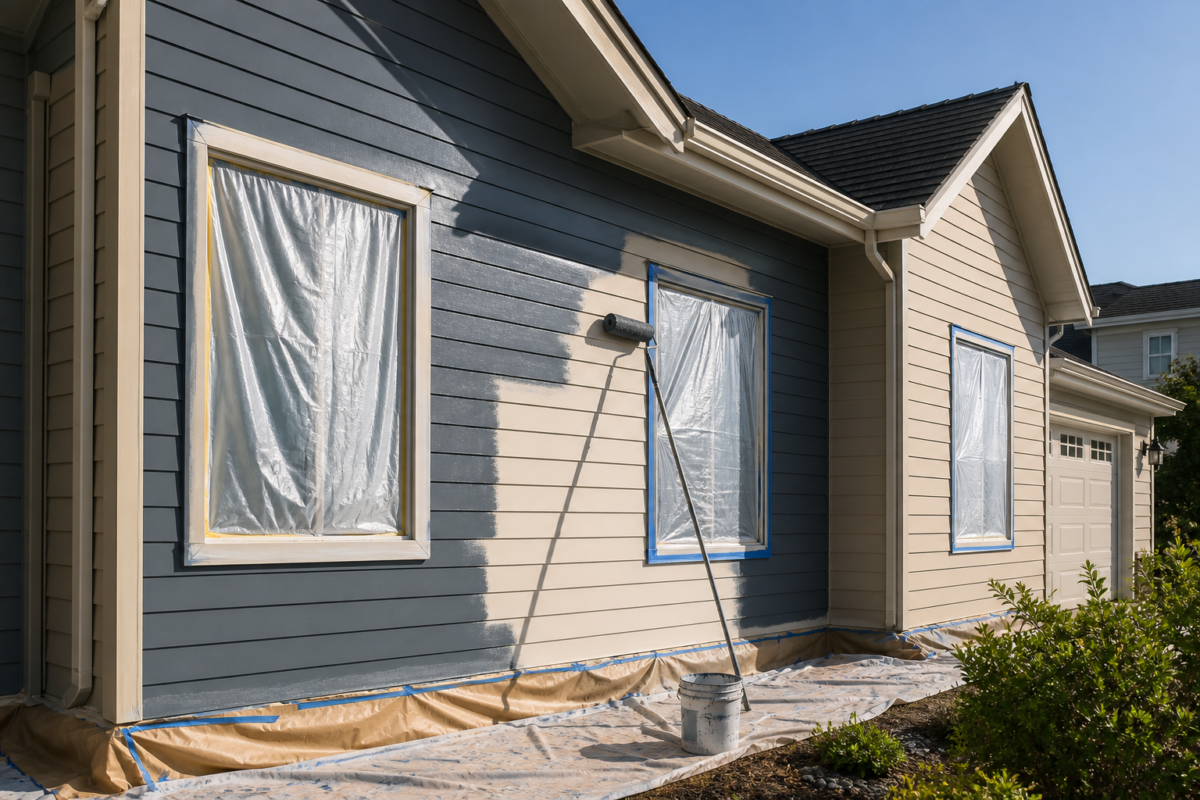
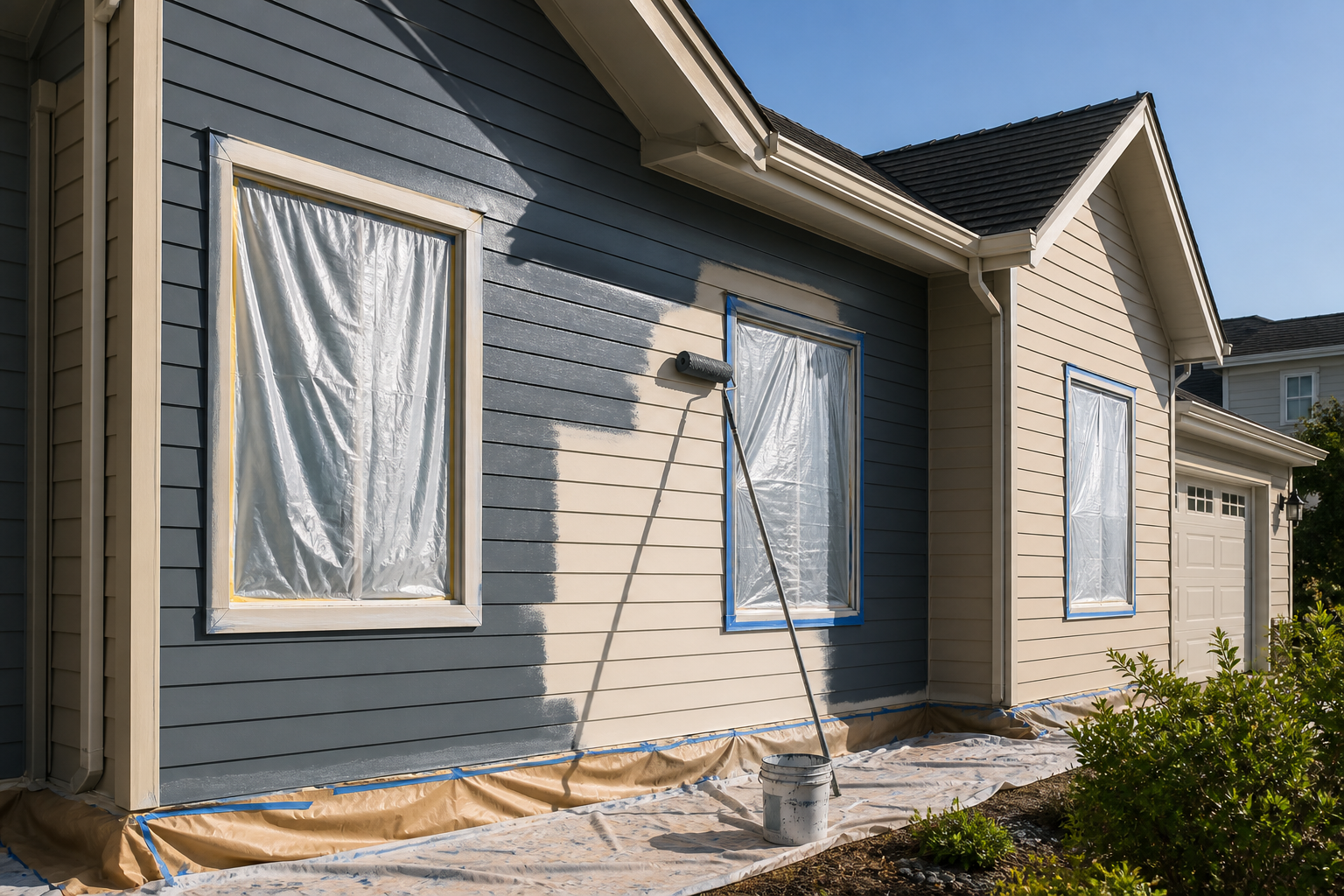
- Protection plan: Masking windows, wrapping landscaping, and protecting hardscape and adjacent surfaces.
Listing these up front prevents surprise change orders tied to equipment or access conditions that were discovered too late.
Coating system and finish details
Your choices here shape both appearance and maintenance intervals. Keep your comparison tight with these notes:
- Number of coats: Specify whether you want one or more finish coats so every bid matches the same expectation.
- Sheen and finish: Flat/low-sheen for broad siding versus higher sheen for trim and doors is a common pattern. List sheen per surface where relevant.
- Specialty surfaces: Metal railings, previously stained decks or fences, and masonry often call for different coating families. Request separate line items for these so you can segment decisions.
Consistency across these details is what turns a stack of quotes into an apples-to-apples comparison instead of a guessing game.
Timing and project conditions
Exterior work is weather-sensitive. When you schedule and how conditions are managed can influence both price and the sequence of tasks.
- Weather window: Ask how the crew plans to handle rain or temperature swings and whether that affects the start/finish sequence.
- On-site readiness: Confirm who moves outdoor furniture or trims vegetation if needed, and whether that’s included or your responsibility.
- Sequencing with other services: If you’re planning deck and fence staining, driveway sealing, or exterior window caulking replacement in the same season, decide the order and ask bidders to note any dependencies.
Clear expectations around timing help eliminate gray areas that can add unplanned cost.
How to read and compare estimates without guessing
Once you have your like-for-like scope, use this framework to review each proposal quickly and confidently:
- Match the surface list. Confirm that every surface in your scope appears in the estimate. Missing items can make a bid look lower but lead to add-ons later.
- Find the prep narrative. Look for separate descriptions of cleaning, scraping, sanding, caulking, patching, and priming. The more complete and specific, the fewer surprises.
- Check the coating system. Ensure the estimate names the type of primer (if any), the exterior-grade paint or stain category, sheen per surface, and the number of finish coats.
- Spot the access plan. Ladders versus scaffolding or lifts, and any special safety measures for high areas.
- Isolate add-ons. Decks, fences, railings, detached structures, pre-paint power washing, and exterior window caulking replacement should be easy to turn on/off as line items.
- Clarify exclusions. A professional estimate states what’s not included. Compare exclusions side by side.
- Align scheduling assumptions. Confirm expected start window, duration, and how weather delays are handled.
- Ask your questions in writing. Keep a running list and ask each bidder to respond in the estimate or an addendum so your records stay clean.
With this structure, exterior paint prices stop feeling random. You can see where money is allocated and decide which components matter most to you.
Ways to balance scope and budget without compromising essentials
If you need to bring a project into budget, consider adjustments that preserve core protection while deferring lower-priority items:
- Prioritize protective coatings first. Keep surfaces that face the weather in scope; move purely decorative elements to a future phase.
- Segment by surface. Price siding and trim now; schedule detached structures or fences later as separate line items.
- Clarify prep must-haves. Focus on cleaning, failed caulk replacement, and sound substrate prep. Cosmetic extras can wait.
- Simplify color scheme. Fewer accent colors can reduce masking and cutbacks in time.
- Coordinate seasonal work. If you also need deck and fence staining, driveway sealing, or pre-paint power washing, decide which pieces to bundle now versus later.
These levers help you adjust inputs without undermining the purpose of exterior coatings: protection and consistent appearance.
FAQ: common questions about exterior paint prices
Why do exterior paint prices vary so much between quotes?
Most gaps come from differences in scope: prep level, number of coats, access assumptions, and whether add-ons like fences, railings, or exterior window caulking replacement are included. Build a like-for-like scope and ask for line items so you can see which quote includes which tasks.
How many coats should I expect on exterior surfaces?
Coat counts depend on surface condition, color changes, and the coating family. Instead of assuming, ask each bidder to specify primer steps (if any) and the number of finish coats for each surface so you can compare recommendations directly.
Does power washing change the price?
Pre-paint cleaning can be included or offered as a separate service. Whether it’s needed depends on surface condition and contamination. Request it as a distinct line item in every quote so you can evaluate value and timing.
What’s the impact of replacing exterior window caulking on my painting quote?
Caulking replacement is often priced separately because it involves removal, surface preparation, and application of new sealant. It can improve weather protection and provide cleaner paint lines. If you’re considering it alongside painting, ask for a dedicated line item and confirm sequencing.
How can I prevent change orders once work starts?
Clarity reduces changes. Provide photos if requested, list access constraints, document desired colors and sheen, and confirm what’s excluded. Ask each contractor to note how unforeseen conditions will be handled so you know the process in advance.
