


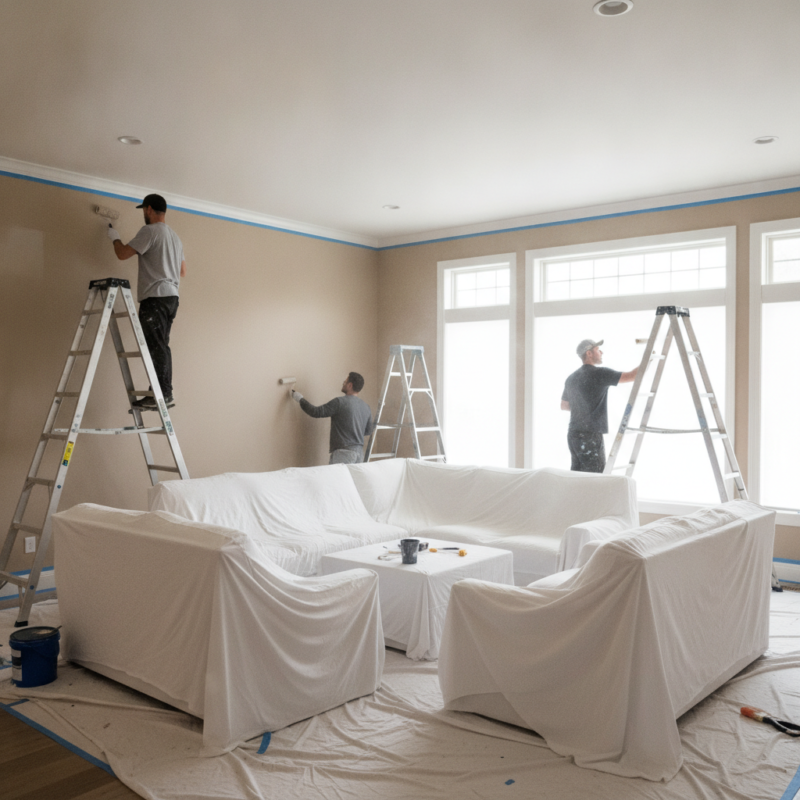
Interior painting companies are professional contractors that prep, prime, and paint interior surfaces for smooth, durable finishes. They protect furniture and floors, fix minor wall defects, and use low-odor paints. For homes near 316 Bergamot Ave, a vetted crew speeds timelines and boosts indoor air quality with ZERO VOC products.
By ZIKRIA MUJAHID • Last updated: 2026-06-29
Above the fold: overview and table of contents
This guide explains how to choose, hire, and work with interior painting companies to get fast, lasting results. You’ll learn what matters most in prep, paint quality, scheduling, and communication—plus practical checklists, examples from local projects, and how Home Painter Services delivers cleaner, safer finishes with ZERO VOC paints.
At a glance
- How reputable interior painting companies plan, prep, and execute projects
- What to ask before hiring (and how to spot red flags)
- Pro methods for walls, trim, ceilings, and cabinet spray finishing
- Why ZERO VOC paints matter for families and indoor air quality
- Local notes for homes near 316 Bergamot Ave, including timing and access
Quick summary
- Prep is performance: clean, repair, sand, and prime to prevent failures.
- Match products to surfaces: different primers and sheens for walls, trim, and cabinets.
- Schedule smart: sequence rooms to keep life moving and fumes minimal.
- Document everything: scope, colors, sheens, and touch-up plan.
- Leverage pro tools: HEPA sanding, caulk systems, and clean spray setups.
Table of contents
- What is interior painting?
- Why interior painting companies matter
- How the interior painting process works
- Types, methods, and approaches
- Best practices that protect your home
- Tools and homeowner resources
- Case studies and local examples
- Pricing factors (no numbers)
- Frequently asked questions
- Related projects to consider
- Conclusion and next steps
What is interior painting?
Interior painting is the professional preparation, priming, and application of coatings on walls, ceilings, trim, and built-ins to refresh appearance and protect surfaces. Quality interior painting emphasizes surface repairs, dust control, and low-odor products to create smooth, durable finishes that elevate comfort, wellness, and home value.
In practice, a seasoned crew handles everything from color confirmation to final walkthrough. The sequence is simple: protect, prep, prime, paint, and perfect. Skipping steps like cleaning, sanding, or caulking leads to early failure—peeling, flashing, and visible seams. That’s why companies that lead with process consistently deliver better results.
- Surfaces included: drywall, plaster, ceilings, trim, doors, built-ins, and cabinets.
- Core goals: smoothness, uniform color, durable film build, and clean cut lines.
- Family-first: ZERO VOC interior paints help reduce odors and speed re-occupancy.
- Longevity: proper primers block stains and improve adhesion on glossy or repaired areas.
Home Painter Services follows a start-to-finish approach shaped around your household schedule. We cover floors, move and wrap furniture, seal doorways when needed, and use primers and paints matched to the substrate. That combination shortens timelines while raising finish quality.
Why interior painting companies matter
Hiring interior painting companies reduces disruption, improves finish quality, and shortens timelines. Pros bring dust control, repairs, caulking, and the right primers—plus ZERO VOC paint options for healthier air. The result is straighter cut lines, tougher films, and predictable schedules that keep your home running.
Here’s the thing: most paint jobs fail in the prep, not the paint. Interior painting companies that invest in cleaning, sanding, and priming make coatings last longer, especially on high-touch trim and kitchen cabinets. The right team also manages sequencing so bedrooms, nurseries, and kitchens remain usable.
- Cleaner worksites: furniture and floor protection, zipper walls when needed, and daily cleanup.
- Fewer callbacks: repaired nail pops, re-taped seams, and filled gaps for uniform sheen.
- Health-conscious: low-odor, ZERO VOC paints support better indoor air quality.
- Schedule certainty: defined start/finish windows and on-time completion commitments.
In our experience serving families near 316 Bergamot Ave, predictable timelines matter as much as color. That’s why our crews confirm room-by-room priorities and set daily targets, then document colors, sheens, and touch-up paint for future maintenance.
How the interior painting process works
A professional sequence runs: consult, protect, prep, prime, paint, and punch-list. Each step is documented so colors, sheens, and touch-ups are clear. Companies that follow this process minimize dust, avoid flashing, and deliver straighter cut lines with durable, washable finishes.
Typical process steps
- Consultation and color confirmation: define rooms, colors, and sheens; set schedule windows.
- Protection: cover floors and furniture; mask trim and fixtures; set dust control where needed.
- Surface prep: wash, scrape, sand, patch, and caulk to level and seal surfaces.
- Priming: spot or full prime to improve adhesion, block stains, and unify porosity.
- Painting: cut and roll walls; spray or brush/roll trim and doors; maintain wet edges.
- Quality check and cleanup: address holidays, adjust sheen uniformity, label touch-up cans.
Process snapshot (for fast scannability)
| Stage | Pro objective | What success looks like |
|---|---|---|
| Protect | Keep home clean and operational | Floors covered, fixtures masked, clean pathways |
| Prep | Level, seal, and smooth | No bumps, gaps, or dust; seams tight; edges caulked |
| Prime | Adhesion + uniformity | Stains blocked; sheen even after first coat |
| Paint | Coverage + film build | Clean cut lines; consistent color; proper dry times |
| Perfect | Punch-list + cleanup | Zero drips; labeled touch-up; site tidy |
A reliable team will also sequence rooms to reduce downtime—often tackling bedrooms first, then common areas. For pre-paint washing and siding care outside, see our in-depth power washing guide for safe, paint-ready surfaces.
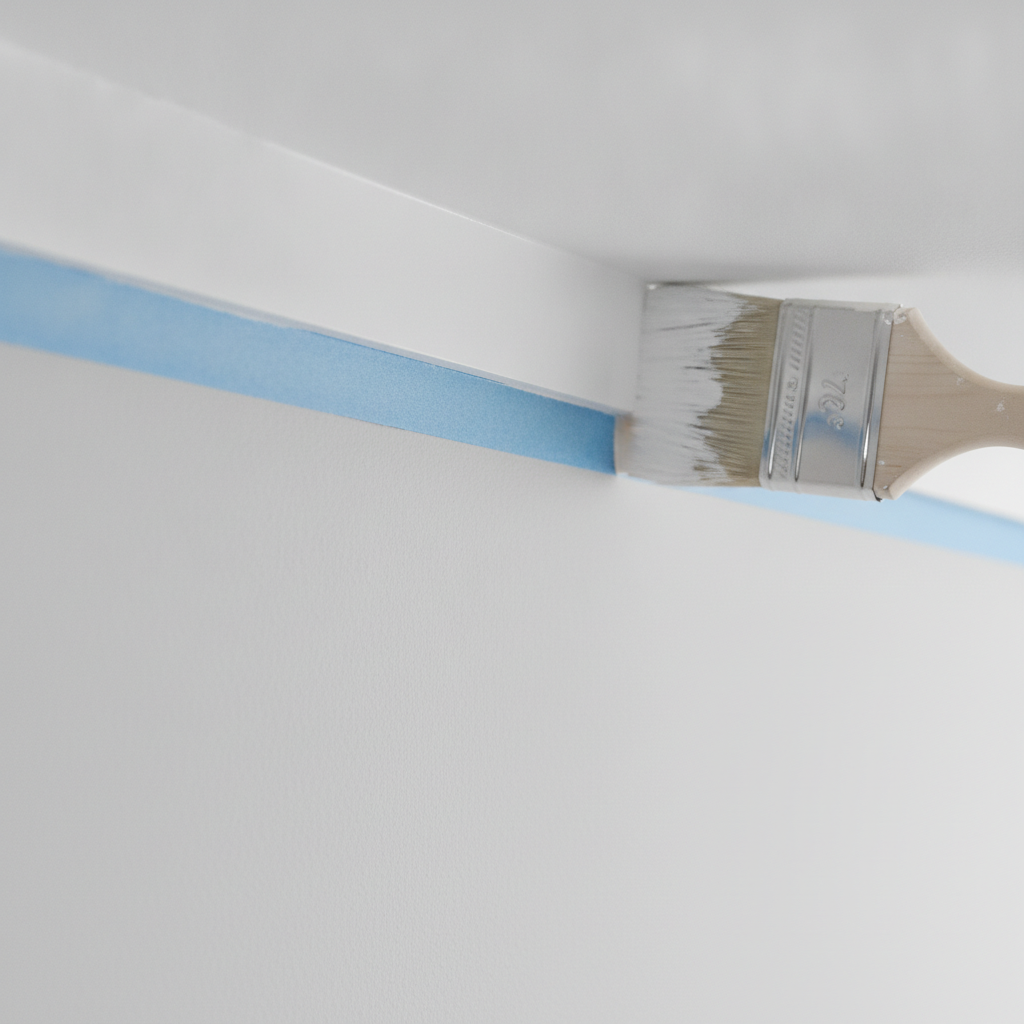
For deeper background on process fundamentals, an industry overview from SGRD Construction outlines why priming and surface prep drive durable results.
Types, methods, and approaches
Interior painting companies use brush-and-roll for most walls and ceilings, enamel systems for trim and doors, and controlled spray for cabinets and built-ins. Method choice depends on substrate, desired sheen, and durability needs—especially in kitchens, baths, and high-traffic zones.
Walls and ceilings
- Brush-and-roll standard: cut edges with a sash brush, then roll with a microfiber cover to match texture.
- Ceiling strategy: paint ceilings first to avoid spatter on finished walls; use flat or matte to hide imperfections.
- Problem-solver primers: stain-blocking, bonding, and vapor-permeable primers handle water marks, glossy surfaces, and fresh patches.
Trim, doors, and built-ins
- Enamel systems: scuff-sand, prime, and topcoat with durable enamels for a harder, washable finish.
- Dust control: HEPA-vac sanding captures fine dust before coating.
- Door finishing: lay doors flat when possible for smoother films and fewer runs.
Cabinet spray finishing
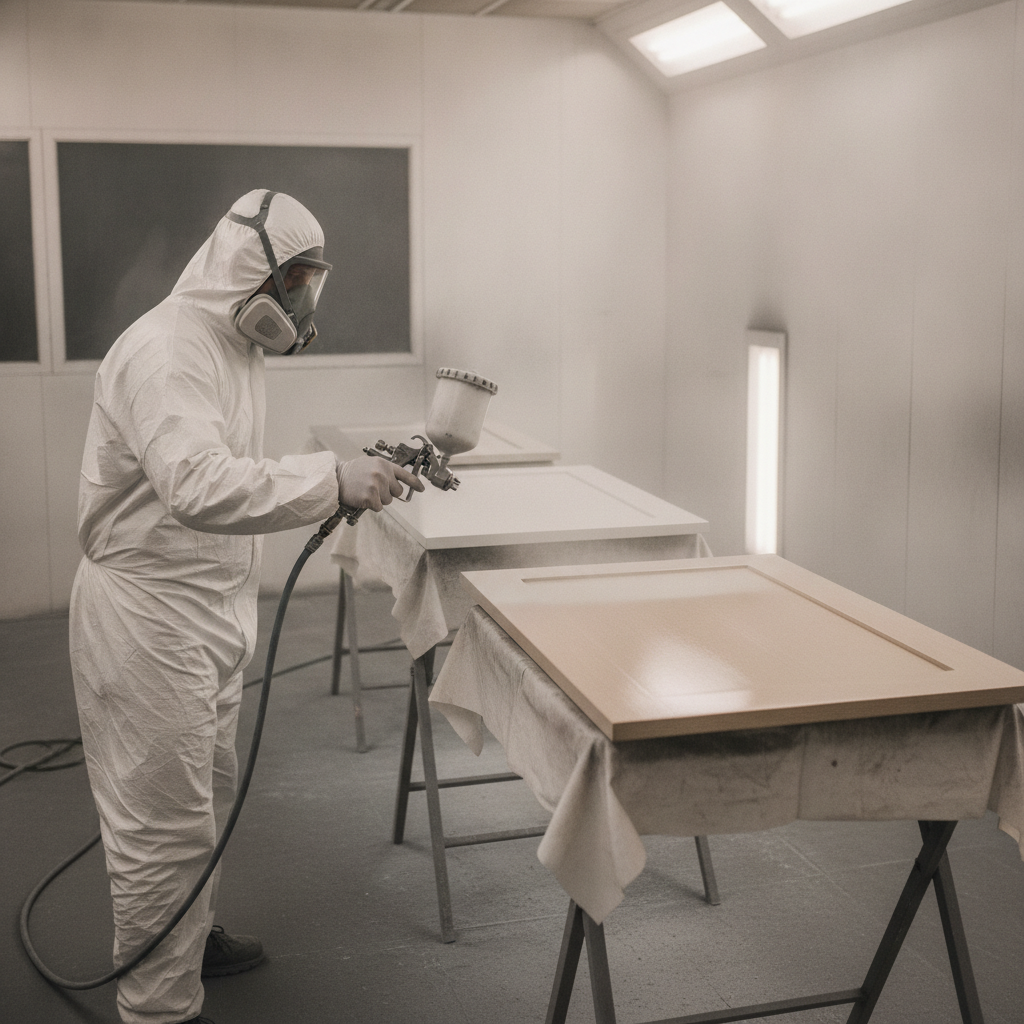
- Professional setup: remove doors and hardware; spray in a clean, contained area with HVLP equipment.
- Coating choice: lacquer or polyurethane for a factory-like finish, as offered by Home Painter Services.
- Durability: proper cure yields stain and scratch resistance for busy kitchens.
Curious how repainting cabinets can refresh a space without a full renovation? Practical notes from Paint2Decor show why method and setup matter for consistent, clean results.
Best practices that protect your home
The best interior painting companies combine meticulous prep, safe dust control, and product-matched primers with ZERO VOC paints. They protect floors and furniture, seal gaps with quality caulks, and document colors and sheens—reducing disruption while improving finish life.
- Protection first: dedicated coverings, taping protocols, and daily cleanups keep homes livable.
- Prep with purpose: wash, sand, fill, and caulk; prime repairs to prevent flashing.
- Product pairing: match primer to substrate (stain-blocking, bonding, or drywall sealers).
- Ventilation & safety: ZERO VOC paints help minimize odors and support air quality.
- Documentation: record color names, formulas, and sheen for easy touch-ups later.
We’ve found that tight, consistent caulking at trim and window perimeters improves both appearance and comfort. If drafts persist, review home envelope issues too—our guide to a broken window seal explains how failures lead to condensation, leaks, and energy loss.
Want a second opinion on common pitfalls? A practical checklist from SGRD Construction highlights sequencing, dry times, and coverage checks to help avoid early wear.
Tools and homeowner resources
Pros rely on HEPA vacuums, dustless sanders, quality caulks, and substrate-specific primers. Homeowners can prepare by clearing rooms, confirming colors, and discussing sheens and timelines—simple steps that shorten projects and improve outcomes.
Pro-grade tools we use
- HEPA sanding and vacuuming: keeps dust out of living areas and paint films.
- Spotlights and raking light: reveal surface defects before coating.
- HVLP spray systems: for cabinet-grade finishes in controlled environments.
- Premium tapes and plastics: cleaner edges and faster resets between rooms.
- Low-odor, ZERO VOC paints: family-friendly re-occupancy and cleaner indoor air.
Homeowner prep checklist
- Confirm colors, sheens, and accent walls in writing.
- Clear small items and declutter surfaces for faster setup.
- Share access details (pets, parking, elevator) and quiet hours.
- Discuss room sequence to keep key spaces usable.
- Plan for drying/curing windows before heavy use or cleaning.
Free Color Consultation + On-Time Completion: Home Painter Services offers a free on-site color consult and a stated on-time completion promise. Schedule a quick walkthrough near 316 Bergamot Ave to align scope, colors, and schedule.
Case studies and local examples
Real-world examples show how process and product choices change outcomes. These brief snapshots highlight prep, product selection, and sequencing decisions our crews used to deliver cleaner, faster results for families near 316 Bergamot Ave.
Nursery refresh with ZERO VOC paint
- Challenge: Expecting parents needed a low-odor repaint on tight timelines.
- Approach: full protection, patch/prime repairs, and two coats of ZERO VOC eggshell.
- Outcome: smooth walls, gentle sheen, room reoccupied quickly with minimal odor.
Kitchen cabinet spray finish, factory-like look
- Challenge: Outdated cabinets without the budget or downtime for a full remodel.
- Approach: removed doors/hardware, HVLP spray in a clean zone, lacquer system.
- Outcome: uniform, durable finish that modernized the room and simplified cleaning.
High-traffic hallway and trim durability upgrade
- Challenge: Scuffed baseboards and handprints along the hallway.
- Approach: HEPA sanding, bonding primer on glossy trim, enamel topcoat.
- Outcome: tougher, washable surfaces and crisp lines that hold up to daily wear.
Pricing factors (no numbers)
Interior painting companies scope projects by surfaces, repairs, access, product selection, and schedule constraints. Clear scopes and documented colors prevent change orders. While rates vary by home and goals, detailed prep and product matching typically deliver the best long-term value.
- Scope: rooms, ceilings, trim, closets, and special areas like stairwells.
- Condition: patching, re-taping seams, sanding textures, and stain blocking.
- Access/logistics: furniture moves, stair heights, elevator/parking considerations.
- Products: standard vs premium paints; enamel systems; specialty primers.
- Schedule: weekend/evening windows, phased room releases, and cure time needs.
Local considerations for 316 Bergamot Ave
- Plan start times around busier periods near Tremaine at Bergamot to simplify crew parking and material unloading.
- Spring and fall offer ideal interior conditions—milder temperatures help with ventilation while windows are open during ZERO VOC repaints.
- For outdoor prep that supports interior work (washing windows/siding before repainting trim), coordinate with our team’s power washing and exterior caulking crews near Walker Park.
Frequently asked questions
These quick answers cover how to prepare, what products to ask about, and how interior painting companies sequence projects to minimize disruption. Use them to align expectations before your walkthrough.
How should I prepare rooms before painters arrive?
Clear small items, take down wall decor, and unplug electronics. Confirm colors and sheens in writing and share any repair notes—like past leaks or nail pops. Our crew moves and protects larger furniture and sets dust controls as needed to keep your home functional.
What paint should I request for family spaces?
Ask for ZERO VOC interior paints in living rooms, nurseries, and bedrooms. Pair with the right sheen—eggshell or matte on walls, enamel on trim—for cleanability without glare. Your estimator should explain why each product was selected for your surfaces.
Do professionals always prime before painting?
Pros prime when surfaces need adhesion help, stain blocking, or uniform porosity. Spot-priming repairs is common. Full priming happens on bare drywall, stained areas, glossy trim, and cabinet projects. The right primer prevents flashing and improves durability.
How do interior painting companies limit disruption?
They sequence rooms so key spaces stay usable, set daily start/finish windows, and use low-odor paints. Protection, dust control, and daily cleanups keep pathways clear. You’ll also receive a punch list and labeled touch-up paint for easy maintenance.
Can I request cabinet spraying with my wall project?
Yes. Many homeowners combine wall/trim updates with cabinet spray finishing for a full refresh. Doors are removed and sprayed with lacquer or polyurethane in a controlled setup for a factory-like finish. This approach modernizes kitchens without a full remodel.
Related projects to consider
Interior repaints pair well with cabinet spray finishing, deck sanding/staining, driveway sealing, exterior caulking, and power washing. Coordinating these services reduces repeat disruption and extends the life of both interior and exterior surfaces.
- Deck sanding and staining: prep and UV-protective finishes extend exterior wood life.
- Exterior window caulking replacement: resealing improves comfort and energy efficiency.
- Garage epoxy flooring: diamond-ground prep and industrial epoxy resist spills and wear.
- Power washing: seasonal refresh and pre-paint cleaning for exteriors and hardscapes.
Conclusion and next steps
Great results come from process, not shortcuts. Choose interior painting companies that protect, prep, and prime meticulously, specify ZERO VOC paints, and document colors and sheens. A short, structured walkthrough near 316 Bergamot Ave sets expectations and keeps your project on time.
- Align on colors, sheens, and room sequence before start day.
- Confirm primers and paints by surface—walls, trim, and cabinets differ.
- Ask for daily milestones and a punch-list handoff with labeled touch-up cans.
Ready for a fast, clean interior refresh? Book a free color consultation and on-site estimate with Home Painter Services. We’ll protect your home, use ZERO VOC paints, and finish on schedule—backed by our on-time completion commitment.
