


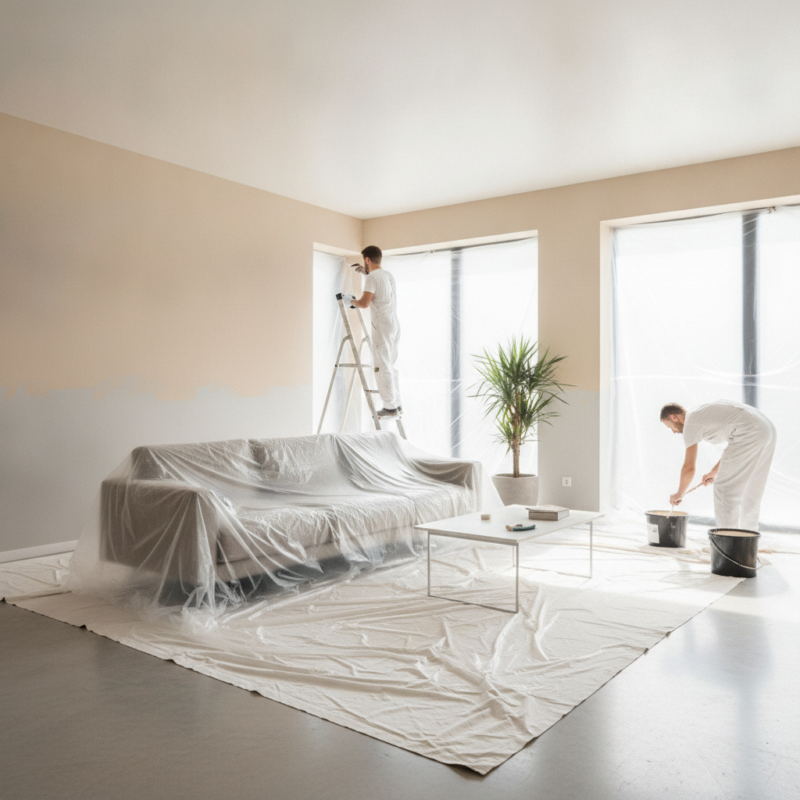
Interior paint cost is the total investment to refresh your rooms, shaped by scope, prep quality, coatings, and labor—not a single flat number. At 316 Bergamot Ave in Milton, Home Painter Services scopes projects with ZERO VOC paints, careful protection, and professional prep so your budget turns into durable, beautiful results.
By Home Painter Services • ZIKRIA MUJAHID
Last updated: 2026-06-18
Summary
Interior paint cost depends on five levers: room size and height, surface prep and repairs, coating system and sheen, detail work (trim, doors, ceilings), and project logistics. Align these early, and you control spend without sacrificing finish quality, indoor air safety, or timeline.
Here’s how this complete guide helps you make confident decisions while avoiding pricing traps (we never list numbers—just what truly drives them):
- Clear definitions: What “interior paint cost” really includes (and what it doesn’t).
- Scope planning: How square footage, ceiling height, and detail work shape time and materials.
- Prep standards: Why sanding, priming, and repairs often define outcomes more than paint brand.
- Healthy homes: ZERO VOC paints support low-odor, family-friendly projects.
- Smart sequencing: Bundle work like popcorn ceiling removal and trim to protect quality and schedule.
- Local insight: Consider Milton’s seasonal humidity and scheduling windows.
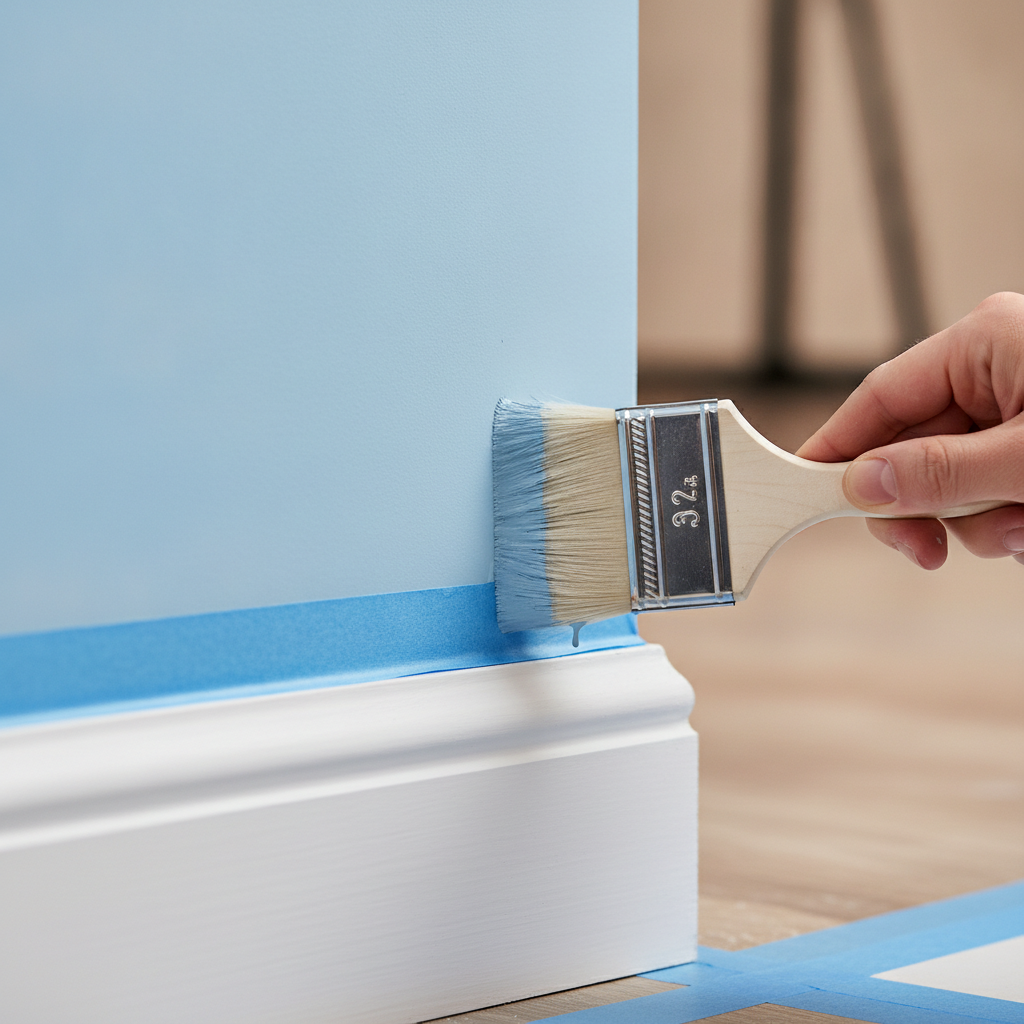
What is interior paint cost?
Interior paint cost is the total of labor, materials, and preparation required to deliver a professional interior finish. It varies by room size, ceiling height, surface condition, coating system, and logistics like furniture protection, access, and scheduling.
“Cost” in painting is not a single line item. It’s a bundle of decisions that determine time-on-task and material use. In our experience, two homes with identical square footage can require very different inputs because wall condition, trim complexity, and color changes affect labor hours and coating count.
- Labor time: Cutting-in, rolling, and detailing typically dominate project hours.
- Materials: Primer, final coats, patching compounds, caulk, and protective plastics/tape.
- Prep: Scraping, sanding, washing, patching, priming—often 30–50% of effort on older interiors.
- Protection: Furniture/floor masking and containment can take 15–25% of site time.
- Quality controls: Dry-time adherence, scuff-sanding, and final touch-ups ensure a uniform sheen.
Useful benchmarks when planning: a gallon of interior paint often covers roughly 350–400 sq ft per coat on smooth walls; 8–10 ft ceilings are common in living areas; and most repaints target two wall coats for color uniformity.
Why interior paint cost matters
Understanding interior paint cost helps you allocate budget to what creates lasting value: surface preparation, healthy coatings, and skilled application. When you fund the right steps, finishes last longer, odors stay low, and timelines stay predictable.
Here’s the thing: cutting corners on prep rarely saves money. It pushes issues into the future—peeling, flashing, and visible seams—where fixes are harder and longer. We’ve found that well-prepared walls can stretch repaint cycles by multiple years, especially in low-touch rooms.
- Home value and appeal: Fresh, neutral walls and crisp trim influence buyer perception faster than most cosmetic upgrades.
- Health and comfort: ZERO VOC formulations support low-odor projects—families can re-enter rooms faster.
- Durability: Proper priming boosts adhesion; scuff-resistant sheens tolerate cleaning in high-traffic zones.
- Predictability: Defined scopes with set sequences reduce day-to-day disruption.
Data points homeowners use to decide: typical interior dry-to-touch windows are around 1–2 hours per coat, with recoat windows extending up to a day depending on product, humidity, and ventilation. That’s why we plan airflow and schedule rooms in waves.
How interior painting scopes are built
Scoping breaks the project into measurable parts: square footage, substrate condition, coating count, detail complexity, and access. Each input sets labor and material needs so you can manage interior paint cost without surprises.
Our start-to-finish approach—consultation, protection, prep, priming, premium coatings, and clean handoff—keeps scope transparent. During walkthroughs, we inventory every painted surface and note repairs, height changes, and finish expectations.
Scope checklist we use on-site
- Rooms and heights: 8 ft bedrooms vs. 10 ft great rooms vs. vaulted spaces.
- Surfaces: Walls, ceilings, trim, doors, windows, built-ins, and accent features.
- Condition: Hairline cracks, nail pops, dents, sheen mismatches, moisture stains.
- Color change: Light-to-dark or dark-to-light often needs an extra pass or a specialized primer.
- Coating system: Primer where needed, 1–2 top coats common; trim/doors may require harder enamels.
- Logistics: Furniture volume, floor protection, stair access, family schedules, pet containment.
Process table: what adds time (and why)
| Element | Why it matters | Time impact |
|---|---|---|
| Masking & protection | Prevents overspray/spatter and speeds cleanup | +15–25% site time |
| Repairs & skim | Levels surfaces for a uniform finish | +20–40% on aged walls |
| Color shifts | Dark-to-light needs coverage support | +1 coat or bonding primer |
| Ceiling height | Ladders/platforms slow movements | +10–20% per 2 ft increase |
| Detail density | Doors, windows, built-ins increase cut lines | +20–30% detailing time |
A practical planning note: two-person teams often outpace individual painters by 25–35% on lived-in homes due to parallel masking and rolling. That efficiency shows up in smoother schedules and tidier day-ends.
Key interior paint cost drivers (no numbers)
Cost drivers fall into five groups: area and height, surface condition, coating choices, detailing density, and logistics. Control these, and you control outcomes—without fixating on brand-price differences that rarely outweight technique and prep.
Size and height
- Square footage per coat: Plan around 350–400 sq ft per gallon on smooth walls; textured surfaces consume more.
- Ceilings: 8–10 ft are standard; every extra 2 ft typically adds staging and move time.
Surface condition and prep
- Repairs: Nail pops, seams, and corner beads may need compound in two to three passes.
- Priming: Stain-blocking primers save rework on water marks and heavy color changes.
- Cleanliness: Kitchens and bathrooms demand degreasing or TSP alternatives before sanding.
Coatings and finish
- ZERO VOC paints: Ideal for families; low odor with fast re-occupancy.
- Sheen selection: Matte hides flaws; eggshell suits living areas; satin/semigloss for trim/doors.
- Coat count: Two wall coats are common for color uniformity; trim often needs two for durability.
Detail density
- Trim and doors: Each door can involve 30–60 minutes including removal/rehang if needed.
- Windows and built-ins: Extra cut lines and profile changes increase brush time.
Logistics
- Occupied homes: Staggered room sequencing reduces daily disruption.
- Protection: Expect 15–25% of site hours in masking, floor protection, and containment.
- Seasonal humidity: Dry times stretch when RH rises above 60%; plan ventilation accordingly.
For a broad industry perspective on what variables pros consider, compare our breakdown with this independent cost guide. We align on the big levers: prep quality, surface count, and room complexity.
Types and methods that shape outcomes
Brush-and-roll remains the gold standard for walls and ceilings, while spraying shines on doors, trim, and cabinets. The method you choose influences time, protection needs, and finish level—and, therefore, overall interior paint cost.
Walls and ceilings
- Brush-and-roll: Clean cut lines and controlled roller texture; suits occupied homes.
- Accent walls: Often receive a third pass for flawless coverage with deep hues.
- Ceiling painting: Fresh white ceilings can increase perceived brightness by a noticeable margin.
Trim, doors, and built-ins
- Enamel systems: Harder finishes resist scuffs; expect light between-coat sanding.
- Spray finishing: Factory-like smoothness; requires professional masking and ventilation.
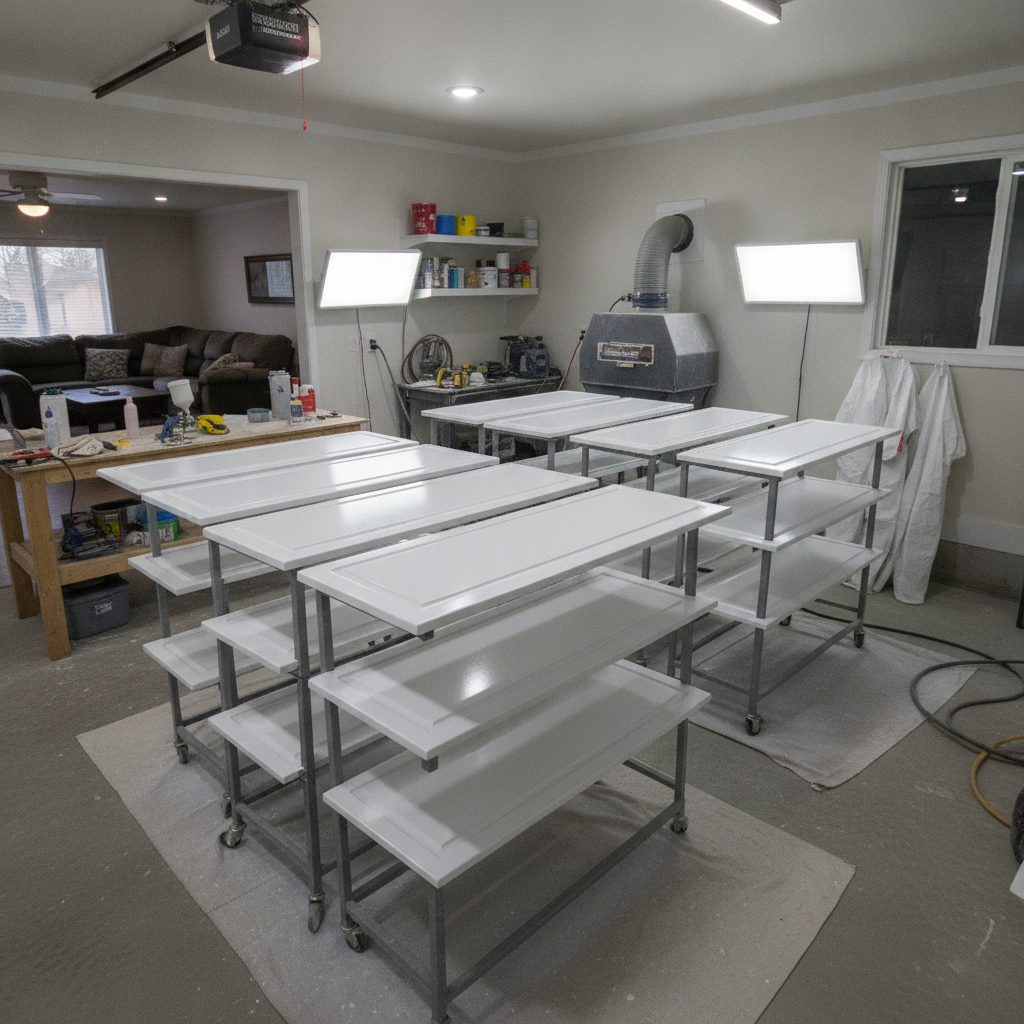
Kitchen cabinets (spray paint)
- Prep is everything: Degrease, sand, and prime with adhesion promoters where needed.
- Coatings: Lacquer or polyurethane delivers durability in high-touch kitchens.
- Logistics: Doors/drawers off-site or in a temporary booth keeps the home functional.
For broader context on kitchen cabinet repainting considerations, see this cabinet repainting overview and a detailed kitchen cabinet painting process. Our crews deliver factory-like cabinet results with professional spray gear and dust control.
Best practices to manage spend without sacrificing quality
Focus budget on prep, protection, and the right coatings. Stage rooms logically, choose durable sheens for traffic zones, and keep ventilation steady. These moves stretch repaint cycles and reduce callbacks—where real lifetime savings happen.
Planning and materials
- Color consultation: Lock colors early to avoid rework; samples on two walls prevent surprises.
- Sheen by function: Matte/eggshell for living areas; satin/semigloss for trim, doors, and baths.
- Primer selection: Stain-blocker for water marks; bonding primers for glossy or laminate areas.
Prep and protection
- Masking discipline: Clean drop cloths and plastic saves hours in cleanup.
- Repairs first: Two thin compound passes sand smoother than one heavy fill.
- Caulk correctly: Tool joints for a tight paint line and better insulation at trim-to-wall seams.
Execution and healthy home practices
- Use ZERO VOC paints: Lower odor with quicker re-entry, ideal for families and pets.
- Ventilation: Cross-breeze or filtered airflow helps coatings cure evenly.
- Coat timing: Honor recoat windows; many systems like 2–4 hours between coats for best leveling.
We routinely see detail work (doors, windows, built-ins) add 20–30% to brush time. Planning these areas up front keeps your timeline real and your finish consistent across rooms.
Tools and resources homeowners will see on-site
Expect professional drop protection, HEPA-capable sanding, quality rollers/brushes, and low-odor, ZERO VOC paints. The right tools protect your home and speed up clean, consistent results—key to managing interior paint cost.
Protection and prep gear
- Clean canvas and poly: Dedicated drop cloths plus plastic for furniture and fixtures.
- Taping systems: Blue/green painter’s tapes sized to the substrate and timeline.
- HEPA sanding: Captures dust to keep indoor air cleaner—important in occupied homes.
Application systems
- Rollers/brushes: 3/8–1/2 in roller naps for most walls; angled sash brushes for crisp lines.
- Spray rigs: Filtered, well-ventilated setups for doors, trim, and cabinet work.
- Lighting: Portable LEDs highlight holidays (missed spots) before they dry.
Coatings and sundries
- ZERO VOC interior paints: Family-friendly, low-odor choices in matte through semigloss.
- Primers and sealers: Bonding, stain-blocking, and vapor-barrier where appropriate.
- Caulks: Interior-grade acrylics; elastomerics for micro-movement at trim seams.
One practical metric: quality rollers can lay down roughly 100–150 sq ft per minute in open runs; cutting-in is slower but defines the perceived straightness of every room. That’s why we assign experienced cutters to anchor each team.
Mini case studies: how scope choices change outcomes
Small scope shifts—like adding ceiling paint or upgrading trim enamel—alter labor mix and recoat timing. These examples show how we align budget, health, and finish quality in real homes near Milton and Mississauga.
Mississauga family room refresh
A lived-in family room received two wall coats in a washable eggshell, ceiling brightened to a clean white, and baseboards renewed in a satin enamel. We masked a large sectional and entertainment unit, then staged airflow for faster dry. Result: a brighter room with easier wipe-downs for kids’ traffic.
Milton open-concept with popcorn ceiling removal
We contained the space, performed low-dust popcorn removal, skim coated to level, primed, and finished with a flat ceiling paint. Walls shifted from a deep hue to a calm neutral with a bonding primer assist. The ceiling work added days, but the new surface quality elevated the whole floor.
Oakville kitchen: cabinet spray transformation
Cabinet doors/drawers were cataloged and sprayed in a temporary booth; frames were masked and finished in place. A durable, pro-grade coating system now resists daily cleaning and cooking humidity. The finish rivals factory new—without a full renovation.
Local considerations for 316 Bergamot Ave
- Plan interior projects around damp shoulder seasons: higher humidity near the Regional Municipality of Halton can extend dry times—ventilation is your friend.
- Weekday daytime windows reduce family disruption and coordinate easily with school pickups near Elsie MacGill Secondary School.
- Parking and staging along Tremaine at Bergamot bus routes means we map deliveries early to keep walkways clear.
How related services influence interior paint cost
Bundling prep-heavy services—popcorn ceiling removal, skim coating, or cabinet spraying—changes labor mix and containment needs. Sequencing these with wall painting can reduce protection rework and keep the whole home cleaner and on schedule.
- Popcorn ceiling removal + skim coat: Adds containment and drying cycles but delivers hotel-smooth ceilings that reflect light evenly.
- Deck sanding and staining: While exterior, scheduling together can free up interior airflow equipment and crew bandwidth.
- Power washing (pre-paint): For exterior prep days, interior rooms can advance during dry windows—smart calendar stacking.
- Exterior window caulking replacement: Improves comfort and can reduce drafts that stir dust during interior work.
We often see homeowners pair interior trims with cabinet spraying in the same week. With the right masking strategies and ventilation, that pairing compresses project duration without compromising finish quality.
Frequently Asked Questions
Homeowners ask about coats, timelines, odor, and surface prep. Here are straightforward answers you can act on today—no pricing, just clarity for better planning.
How many coats do most interior walls need?
Two finish coats are common for color uniformity, especially when changing shades. A bonding or stain-blocking primer may be added for deep color transitions or stained areas. Trim and doors also typically receive two coats for durability and a consistent sheen.
What’s the typical interior painting timeline?
Timelines depend on surface count and repairs, but many coatings are dry-to-touch in 1–2 hours. Recoat windows often span a few hours to a day. Staging rooms—masking, rolling, then detailing—keeps a household functional during multi-room projects.
Are ZERO VOC paints really low odor?
Yes. ZERO VOC paints are formulated to minimize volatile organic compounds, which reduces odor during and after application. Good airflow still matters for curing, but families and pets typically re-enter rooms sooner compared with traditional paints.
Do I need to move all my furniture?
Not everything. We ask homeowners to declutter surfaces and clear small items. Our team then protects and shifts larger pieces with clean drop cloths and plastic. Masking and containment usually take 15–25% of on-site time to keep your home tidy.
How do color and sheen affect maintenance?
Darker colors can highlight touch-ups, so plan for two full coats and careful cutting. Matte hides flaws but marks easier; eggshell balances cleanability and warmth. Satin or semigloss on trim and doors resists scuffs and wipes clean more easily.
Conclusion
Interior paint cost is a planning exercise, not a number. Define scope, invest in prep, pick healthy coatings, and stage rooms smartly. That’s how you turn budget into a calm, durable finish your family enjoys daily.
Key takeaways:
- Scope and prep drive outcomes more than brand labels.
- ZERO VOC paints reduce odor and speed re-entry.
- Detail density (doors, windows, built-ins) adds time—plan it.
- Humidity and ventilation influence dry and recoat windows.
- Bundling services like skim coating or cabinet spray can streamline schedules.
Ready to plan a tidy, healthy repaint? Our team at 316 Bergamot Ave can map your rooms, confirm coatings, and coordinate a clean schedule near Milton, Mississauga, and Oakville. Let’s make your home brighter—room by room.
