


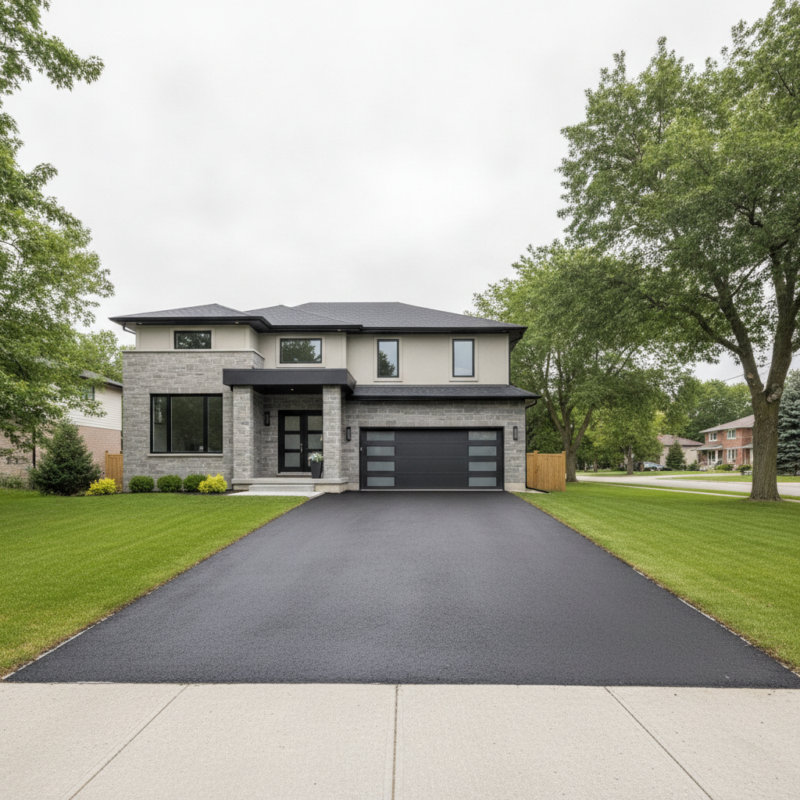
The average price of driveway sealing refers to the total investment to clean, prep, and seal your asphalt so it resists water, salt, and sun. For homeowners around 316 Bergamot Ave in Milton, the figure depends on size, condition, crack repairs, and weather timing. Home Painter Services evaluates these factors during a free on-site estimate to recommend the right approach.
By ZIKRIA MUJAHID — Home Painter Services
Last updated: 2026-06-22
Above-Fold Section
Driveway sealing protects asphalt from water, de-icers, and UV damage while refreshing curb appeal. The investment is shaped by square footage, surface condition, crack repairs, number of coats, access, and optimal weather windows. A thorough site visit pinpoints these variables so you plan confidently and avoid premature wear.
Here’s the thing: you’re not paying for a bucket of sealer—you’re investing in prep, protection, and proper timing. A smart plan usually includes cleaning, edge protection, crack filling, and controlled application. When done right, sealcoating can extend service life and help you avoid bigger repairs down the road.
Quick Summary
The average price of driveway sealing isn’t a flat rate. It varies based on driveway size, current condition, crack repairs, obstacles, application method, and weather timing. Focus on process quality, not just product. Proper prep and dry times often matter more than any single material choice.
- What you control: cleaning, crack repair, scheduling during warm, dry weather.
- What your driveway dictates: size, slope, edges near lawn or pavers, drainage, and existing damage.
- What pros add: expert surface prep, consistent coverage, clean cut-lines, and safe traffic control.
- Bundle smart: pair sealing with exterior refresh work like fence/deck staining for one coordinated curb-appeal upgrade.
Local considerations for 316 Bergamot Ave
- Plan sealing between late spring and early fall when Milton temps are reliably warm; humidity affects cure times and traffic return.
- Mind foot traffic near Walker Park on weekends; set cones and signage to protect fresh seal.
- Street access along Tremaine at Bergamot can get busy during rush; schedule early in the day to reduce interruptions.
What Is the “Average Price of Driveway Sealing”?
“Average price” refers to the typical investment range homeowners make to prep and seal asphalt, excluding specific dollar figures. At 316 Bergamot Ave in the Regional Municipality of Halton, factors include square footage, crack density, edging complexity, and weather windows. The right scope balances protection, appearance, and timing.
Think of sealing as a system: condition assessment, prep, materials, application, and cure. If any step is rushed, performance drops. Most residential driveways are resealed every 2–3 years, depending on exposure and traffic. A standard application uses 1–2 coats; heavier wear zones near the apron or turning radius often benefit from an extra pass.
| Factor | How It Affects Investment | What To Do |
|---|---|---|
| Size (sq. ft.) | More surface = more prep, sealer, and labor time. | Measure length × width; include walkways or parking pads. |
| Condition | Oxidation, raveling, and oil spots require extra prep. | Degrease stains and address soft spots before sealing. |
| Crack repairs | Thermoplastic or rubberized fills add steps and cure. | Fill cracks ≥1/8 inch; route and clean for better bond. |
| Edges & borders | Grass, pavers, and curbs slow down hand work. | Edge beforehand; use shields for crisp lines. |
| Access & slope | Tight access and steep areas reduce production speed. | Stage equipment and plan traffic control in advance. |
| Weather window | Cool temps and high humidity extend cure times. | Target warm, dry 24–48 hour periods for best results. |
In our experience, investing in prep (cleaning, crack fill, edge protection) pays the biggest dividends. We also evaluate nearby landscaping, downspouts, and garage thresholds to prevent runoff lines and lap marks. This systems view helps the finished surface look uniform—front to back.
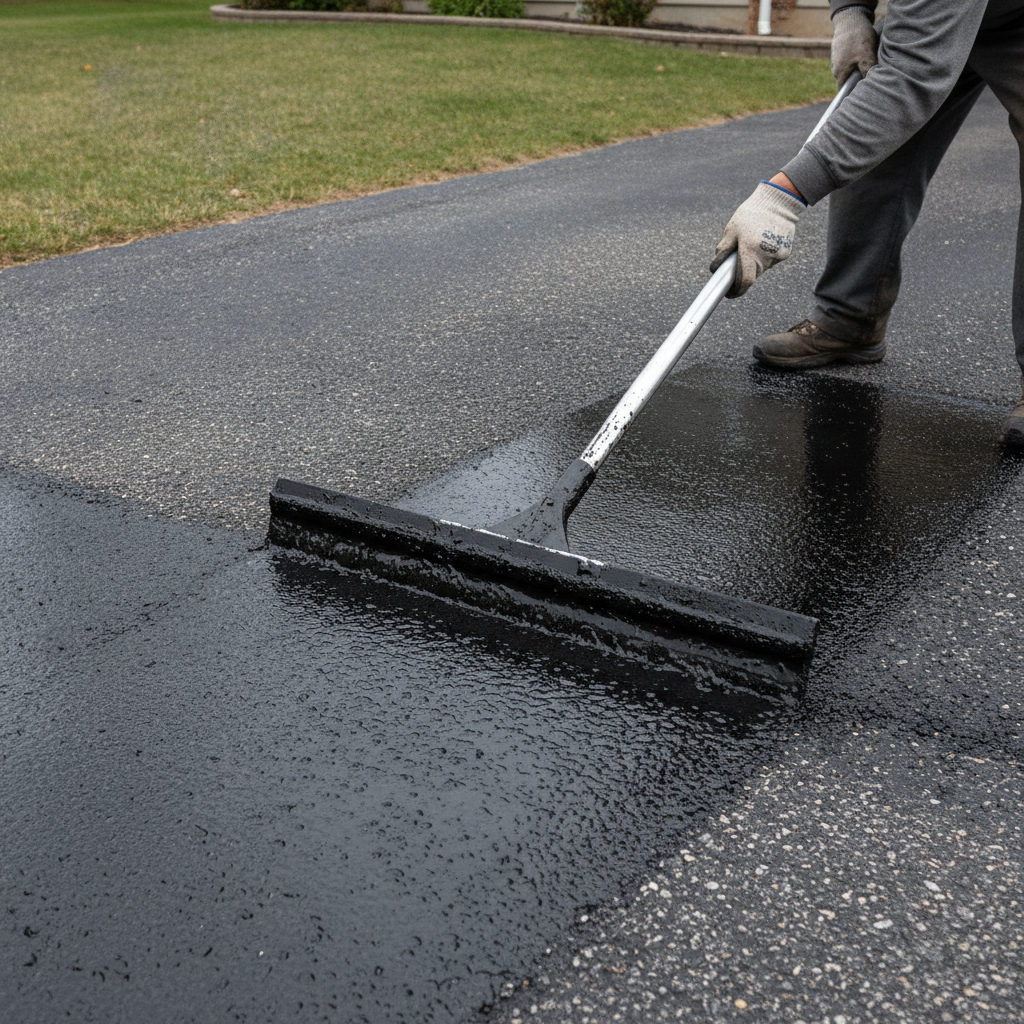
Why Driveway Sealing Matters
Sealing improves curb appeal and shields asphalt from moisture, freeze–thaw cycles, and UV oxidation. A uniform black finish reduces surface porosity, slows deterioration, and makes sweeping, snow removal, and oil-spot cleanup easier. Well-maintained driveways often need fewer patch repairs over time.
- Weather defense: Freeze–thaw cycles can open small cracks into wider joints. A sealed surface sheds water faster.
- UV protection: Dark topcoats reduce oxidation that leads to raveling (loose aggregate) and dull graying.
- Maintenance ease: Smooth, sealed asphalt is easier to shovel and sweep; grit won’t embed as easily.
- Curb appeal: The refreshed color frames your lawn, walkway, and entry—complementing exterior paint and trim.
- Bundle upgrades: Pair sealing with exterior touch-ups or deck sanding and staining to unify your home’s look.
Homeowners often ask how sealing compares to hardscape alternatives. For context, MWG Landscape outlines interlock pros and cons, including maintenance considerations like joint stabilization and shifting. While materials differ, the common thread is routine care to protect value.
How Driveway Sealing Works
A professional sealcoat follows a defined workflow: inspection, cleaning, crack repair, edging, controlled application, and cure. Quality hinges on surface prep and weather timing. Most residential projects use 1–2 coats with traffic return staged after initial dry down and final cure.
Step-by-step process we follow
- Inspect and plan: Document cracks, oil spots, and drainage paths. Decide where to stage equipment and cones.
- Clean thoroughly: Power blow or wash to remove dust and grit; degrease visible oil to improve adhesion.
- Crack repair: Route and heat-apply rubberized filler for joints ≥1/8 inch; allow set-up before coating.
- Edge protection: Shield pavers, curbs, garage thresholds, and lawn to maintain sharp lines.
- Apply sealer: Use calibrated spray or squeegee; maintain wet edges and consistent mil thickness.
- Second coat (as needed): Focus on high-wear areas like the apron and turning radius.
- Cure and reopen: Allow initial dry—often within hours—and full cure over the next 1–3 days, weather depending.
We overlap driveway sealing with related property-care tasks. For example, a pre-seal wash-down and cleanup reduces airborne grit that can mar fresh finishes. Coordinated scheduling matters—you don’t want painters or landscapers crossing an uncured surface.
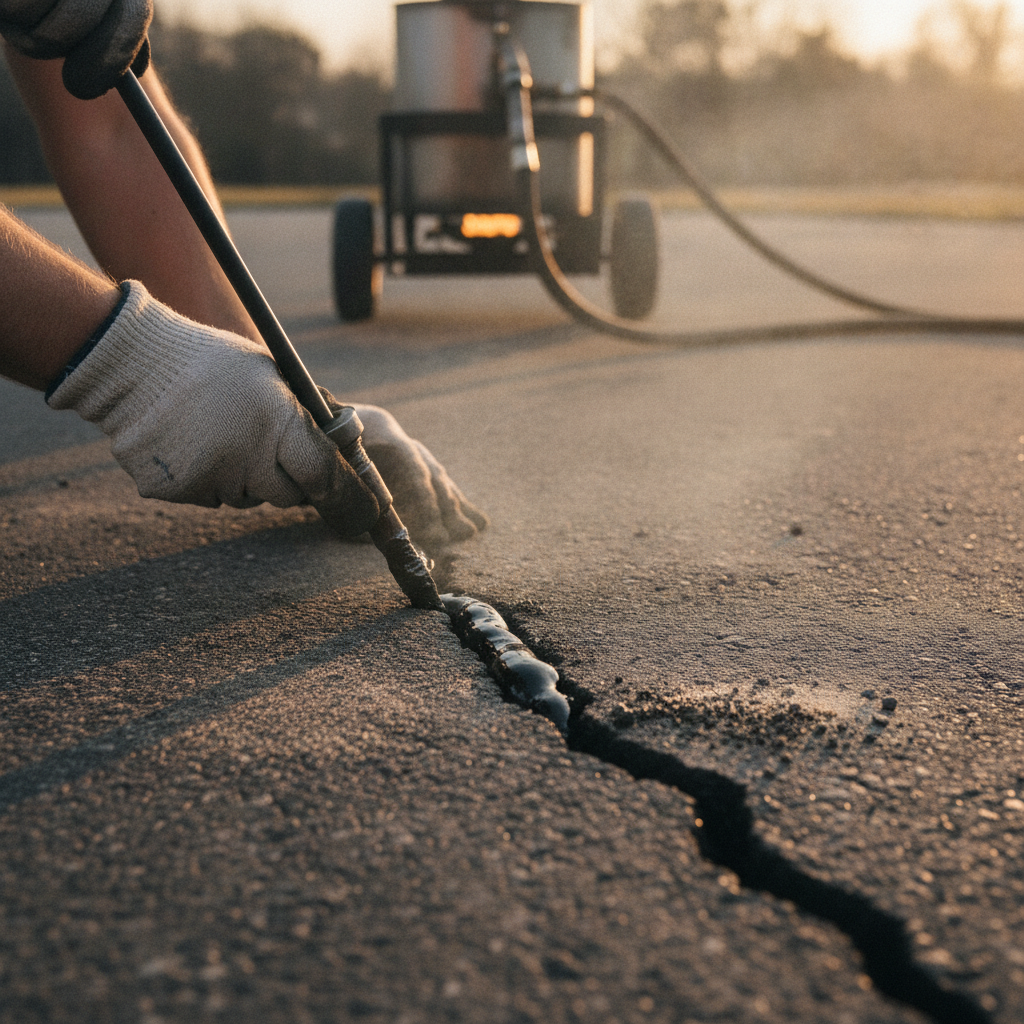
Types and Methods of Sealcoating
Most residential sealing uses asphalt-emulsion or polymer-modified sealers. Application is by spray, squeegee, or a hybrid approach. The right choice depends on climate, surface texture, and desired appearance. Two thin coats typically outperform one heavy coat for uniformity and cure.
- Asphalt-emulsion: Balanced protection and color depth; common for residential work.
- Acrylic/latex-modified: Enhanced durability and flexibility; may improve scuff resistance.
- Application method:
- Spray: Efficient coverage on smoother surfaces; needs expert control to avoid overspray.
- Squeegee: Forces material into pores; excellent for aged or rough asphalt.
- Hybrid: Squeegee first, then a light spray for uniform finish.
- Coats and cure: 1–2 coats for typical homes; fresh seal can be walkable same day and drivable after adequate dry-down.
We match products to exposure. South-facing, salt-exposed aprons need a bit more love than shaded lanes. Likewise, heavy vehicles and frequent turning will scuff thin films more quickly. Our crews adjust coverage in those zones for better wear.
Best Practices for a Long-Lasting Seal
Longevity comes from meticulous prep, weather timing, and controlled application. Clean thoroughly, fill cracks properly, edge carefully, and apply thin, even coats within a warm, dry window. Protect the surface during cure and delay parking heavy vehicles until the film hardens fully.
- Timing: Aim for warm days and mild nights; avoid rain for at least 24 hours.
- Prep: Remove mud and moss; treat oil spots so coating bonds uniformly.
- Edges: Mask or shield to preserve borders at walkways, curbs, and garage thresholds.
- Traffic control: Cones and tape keep foot and tire marks off during the critical first hours.
- Post-care: Expect a deep black tone initially; color softens slightly as it cures over days.
For seasonal planning in Mississauga and nearby, HR Green Roots Landscaping shares maintenance timing tips that align with our scheduling windows. Coordinating yard work, painting touch-ups, and sealing in the same week can streamline prep and clean-up.
Thinking about sealing this season? We’ll assess size, condition, and timing—and map the exact prep your driveway needs. Ask about pairing with deck or fence staining for a cohesive refresh.
Explore our approach or book a free on-site estimate today.
Tools and Resources for Homeowners
A good plan starts with a checklist: measure the area, note cracks and oil spots, observe shade patterns, and watch the forecast. Prep tools include a stiff broom, blower, degreaser, and edging shields. Pros bring calibrated sprayers, squeegees, and crack melters for consistent results.
DIY readiness checklist
- Area measured in square feet; sketch areas with heavy wear.
- Cracks mapped by width; note birdbaths or settlement.
- Oil spots identified for degreasing before any coating.
- Forecast checked for 24–48 hours of dry weather.
- Traffic plan for mail, deliveries, and family vehicles.
When hiring makes sense
- Multiple cracks need routing and heat-applied filler for durability.
- Tight edges along pavers or garage thresholds need masking and hand work.
- Large surfaces benefit from calibrated application and wet-edge control.
If you’re expanding a driveway or reworking hardscape edges, HR Green Roots Landscaping’s driveway extension ideas can help you visualize layouts before sealing. After layout changes settle, sealing ties new and old sections together visually.
Case Studies: Milton, Mississauga, and Oakville
Local conditions shape the scope. Sun exposure, tree cover, and winter salting differ block by block. By tailoring prep and coats to wear patterns, we deliver consistent color and longevity—without overcoating areas that don’t need it.
Milton: Sun-exposed apron and turning radius
- Challenge: Heavy turning near the street scuffed the existing coat prematurely.
- Plan: Crack routing at joints, extra squeegee pass at the apron, and controlled spray finish elsewhere.
- Result: More uniform sheen with added build where the tires bite most.
Mississauga: Shaded driveway with moss and runoff
- Challenge: Persistent shade allowed moss growth; downspout created a wash line.
- Plan: Surface wash, biocide rinse, redirect splash blocks, then two thin coats after a 48-hour dry spell.
- Result: Clean, continuous color; improved drainage prevented streaks.
Oakville: Fresh edge after hardscape tweak
- Challenge: New paver border required precise cut-lines.
- Plan: Mask pavers, hand-brush edges, hybrid apply, then staged cure before opening to cars.
- Result: Sharp border definition and a cohesive look with the new walkway.
Considering a wider pad for extra parking? HR Green Roots Landscaping explains extension options that pair well with sealing for a unified finish once the base settles.
How This Relates to Your Home’s Overall Refresh
Sealcoating is one piece of a curb-appeal plan. Pair it with exterior paint touch-ups, deck sanding and staining, or fresh window caulking. Coordinating tasks reduces site disruption and gives your home a polished, cohesive look.
- Exterior paint synergy: Fresh trim and doors pop against a crisp driveway; see our planning guide.
- Deck and fence: Sanding and staining protect wood the way sealers protect asphalt—UV and moisture defense.
- Windows: New exterior caulking tightens the envelope and trims out clean against sealed surfaces.
- Garage floors: Where vehicles park daily, epoxy coatings resist drips and hot tires.
Frequently Asked Questions
Below are clear, quick answers to common driveway sealing questions—focused on timing, durability, and coordination with other exterior upgrades.
How often should I reseal an asphalt driveway?
Most homes reseal every 2–3 years, but exposure and traffic matter. South-facing aprons, heavy vehicles, and frequent turning can shorten intervals. If the surface looks gray, porous, or absorbs water quickly, it’s a strong cue that sealing is due.
How long before I can drive on a newly sealed driveway?
Light foot traffic is typically fine after initial dry-down, often within hours. For vehicles, wait until the surface has cured adequately—usually by the next day for light use and longer for hot weather or heavy loads. We’ll set cones and provide a timeline on-site.
Is spray or squeegee application better?
It depends on your surface. Smoother asphalt takes spray well; older, porous asphalt benefits from squeegee to push sealer into voids. Many projects use a hybrid—squeegee first for penetration, then a light spray to even the finish.
Can sealing fix major structural problems?
No. Sealers protect and beautify the surface but won’t correct base failures or deep potholes. Significant settlement or alligator cracking needs base repair before sealing. We’ll flag any structural issues during your estimate.
Should I seal new asphalt right away?
New asphalt needs time to cure and release oils before sealing. Many driveways are ready within months, but weather and mix design affect this. We’ll check surface porosity and sheen, then recommend timing so the coating bonds properly.
Key Takeaways
Focus on the variables you can control—prep, timing, and application quality. Let the driveway’s condition guide crack repairs and coat count. A coordinated plan across exterior tasks delivers a cleaner, longer-lasting result.
- Average price of driveway sealing varies by size, condition, edges, access, and weather.
- Prep work (cleaning and crack fill) often drives outcomes more than product brand.
- Expect 1–2 coats with staged traffic return once dry and cured.
- Bundle with deck sanding, staining, or caulking for unified curb appeal.
- Schedule during warm, dry windows for best adhesion and color.
Conclusion
The “average price” conversation is really about scope and standards. Define your surface needs, time the work for a dry stretch, and insist on meticulous prep. That’s how you protect asphalt, elevate curb appeal, and avoid premature repairs.
Ready to plan around Milton and the Halton region? Explore our guides on whole-home refresh timing and project sequencing. Then book a free on-site estimate—our crews handle sealing alongside exterior paint touch-ups, deck staining, and window re-caulking, so everything looks finished together.
Next step: Book a friendly visit at 316 Bergamot Ave or schedule a quick call. We’ll walk the surface, map prep, and lock in an optimal weather window.
