


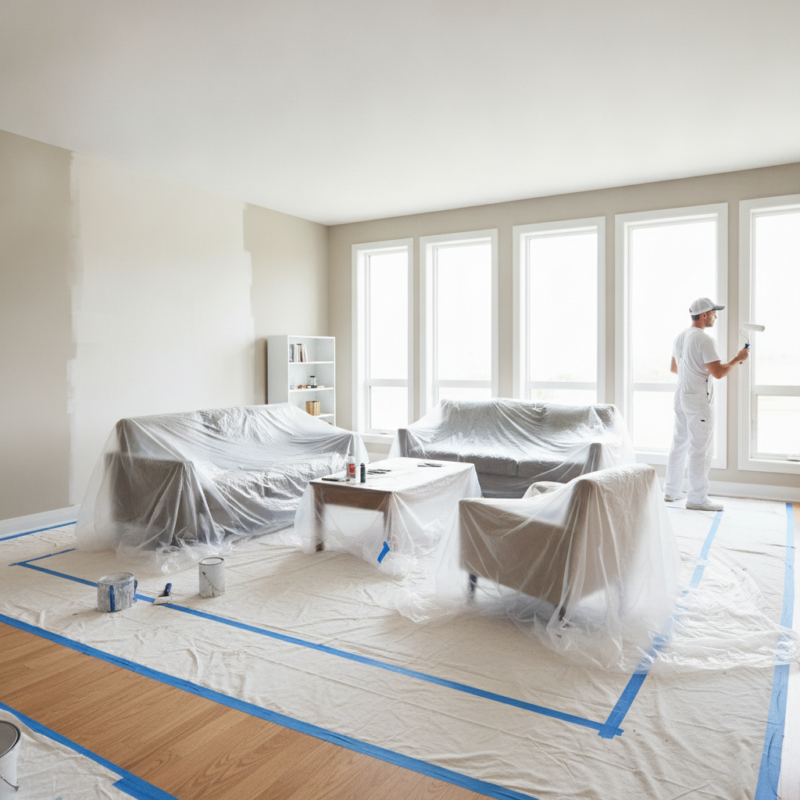
Interior home painting cost is driven by scope, prep quality, materials, and finish standards. For homeowners near 316 Bergamot Ave in Milton, a thoughtful plan keeps timelines tight and results high. With Home Painter Services, you get pro prep, ZERO VOC options, and scheduling that minimizes disruption—so your project stays efficient without sacrificing quality.
By ZIKRIA MUJAHID • Last updated: 2026-06-19
Quick Summary
Interior painting cost depends on room size, surface condition, paint type, colors, and access. You can reduce total project time by grouping rooms, confirming colors early, and fixing minor drywall issues before crews arrive. Professional prep, clean edges, and durable coatings protect your home and make touch-ups easier for years.
- Key drivers: square footage, wall/ceiling height, trim complexity, repairs, and number of colors.
- Material choices: ZERO VOC, scrubbable finishes, and primer systems affect labor and materials.
- Efficiency moves: clear rooms, confirm colors, and batch similar spaces to shorten timelines.
- Value adds: expert cut lines, smooth walls, and washable finishes hold up to daily life.
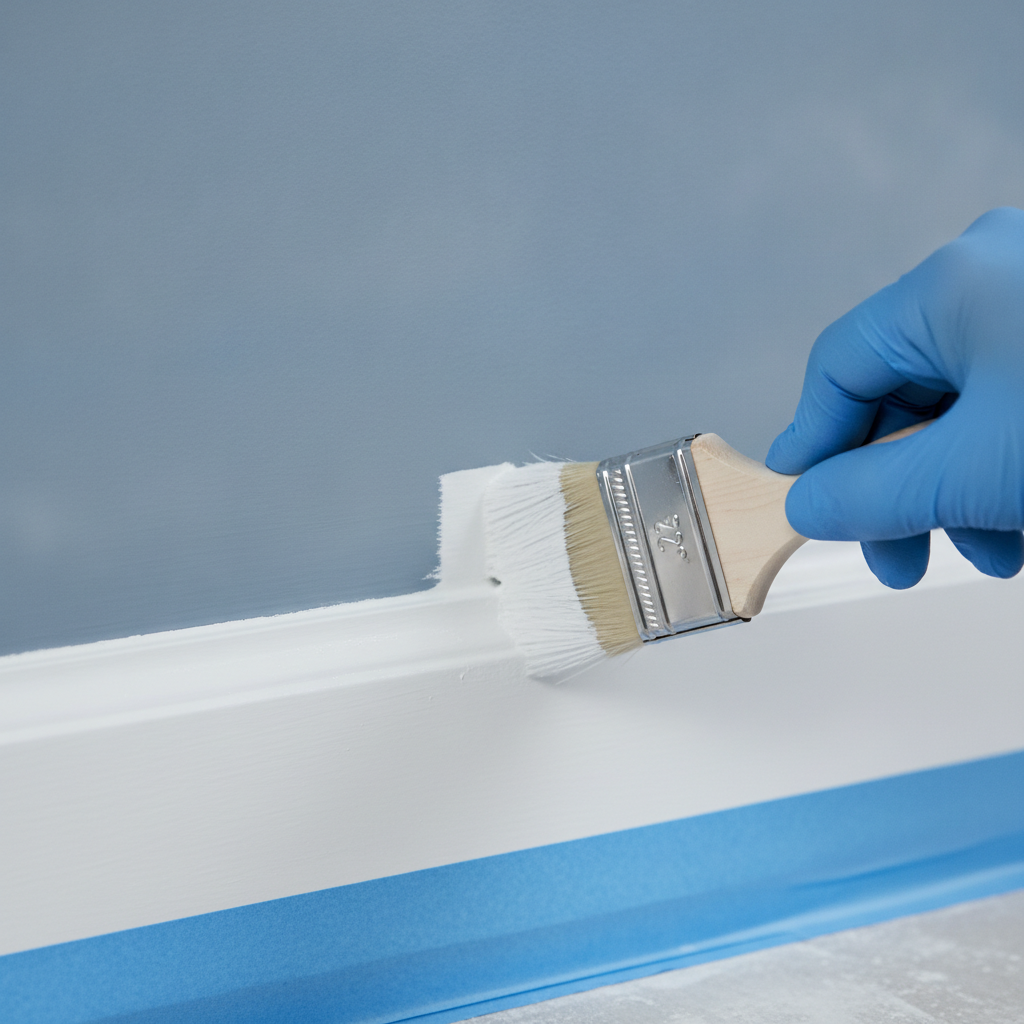
What is interior home painting cost?
Interior home painting cost refers to the total effort to prep, prime, and finish interior surfaces to a defined standard. It’s shaped by size, condition, materials, and workflow. Professional crews optimize each step—protection, repairs, paint systems, and cleanup—to deliver a durable, consistent finish throughout your home.
Think of cost as a combination of time, materials, and expertise. Larger rooms and taller ceilings take longer. Damaged drywall, old caulk, and failed tape joints add repair steps. Higher-performing coatings (like stain-blocking primers and enamel trim paints) change workflow but increase durability.
- Spaces included: living rooms, bedrooms, kitchens, bathrooms, hallways, stairwells, basements.
- Surfaces included: walls, ceilings, trim, doors, built-ins, and sometimes cabinets.
- Finish standards: from refresh coats to full skim coat and repaints with crisp, uniform sheen.
- Planning tip: review the scope with a pro during a walkthrough; see our interior paint guide for scope checklists.
Why interior painting cost matters to homeowners
Understanding interior painting cost helps you plan scope, choose durable finishes, and avoid rework. The right prep and coatings last longer and clean easier, saving future touch-up time. A well-sequenced project also reduces household disruption while protecting floors, furnishings, and indoor air quality.
- Budget clarity: define scope now to avoid mid-project add-ons later.
- Health and comfort: ZERO VOC and low-odor paints support family-friendly projects.
- Resale appeal: neutral palettes, smooth walls, and clean trim increase perceived value.
- Scheduling: batching rooms shortens total days on site and eases daily routines.
- Action step: align on sheen levels room-by-room; our finish selection guide explains when eggshell vs. satin makes sense.
In our experience serving Mississauga and nearby communities, families with young kids prefer low-odor products and weekend-friendly schedules. We routinely protect floors, mask cabinets, and stage rooms so daily life can continue while work progresses in sections.
How interior painting cost is shaped (the step-by-step)
Cost is shaped by preparation, paint system, and finish detail. The sequence—protect, repair, sand, prime, paint, and inspect—determines time on site. More colors, taller ceilings, and added repairs extend workflow. Consistent cut lines, uniform sheen, and thorough cleanup ensure results that look new longer.
- Protection: Move/cover furniture, mask floors and fixtures, isolate work zones.
- Repairs: Patch holes, re-tape seams, caulk gaps, spot-prime stains.
- Surface prep: Sand for tooth, clean walls, degloss where needed.
- Primer selection: Drywall primer, bonding primer, or stain blocker as required.
- Finish coats: Two-coat systems are common for even color and durability.
- Final detail: Crisp cut lines, hardware reinstalled, site vacuumed, and labeled touch-up can left for the homeowner.
Rooms with vaulted ceilings, busy trim profiles, or built-ins add time. Kitchens and baths often include scuff-resistant paints and moisture-tolerant primers. Color changes from dark to light may add an extra primer pass for coverage and uniformity.
- Workflow win: group wall-only rooms first; follow with trim-heavy spaces.
- Coverage reality: deep colors and high-contrast changes may require an extra coat.
- Inspection habit: use raking light to catch ridges and missed nail pops before final coat.
- Reference: see our step-by-step checklist to align daily milestones.
Local cost factors in 316 Bergamot Ave and the Regional Municipality of Halton
Homes around 316 Bergamot Ave in the Regional Municipality of Halton often feature open-concept layouts, taller entries, and detailed trim. Those elements raise prep and ladder time. Seasonal humidity swings also influence drying windows, so careful sequencing and ventilation help maintain consistent finishes.
- Layout realities: Open staircases and double-height foyers require staging and extension poles.
- Seasonal timing: Spring/fall windows support faster curing; winter projects benefit from controlled ventilation.
- Material selection: ZERO VOC paints and enamel trim systems balance durability with indoor air comfort.
- Neighbor-friendly planning: protect common areas and schedule quiet tasks during nap or meeting hours; check our project planning primer.
Local considerations for 316 Bergamot Ave
- Plan material deliveries and parking near Tremaine at Bergamot to streamline setup and cleanup.
- Book interior work around family schedules; winter breaks and long weekends are popular. Nearby Walker Park activity hours can guide quiet-time planning for naps or remote work.
- For cabinets or doors sprayed off-site, coordinate pickup/drop-off windows to reduce downtime in lived-in rooms.
Paint types, methods, and rooms that influence total effort
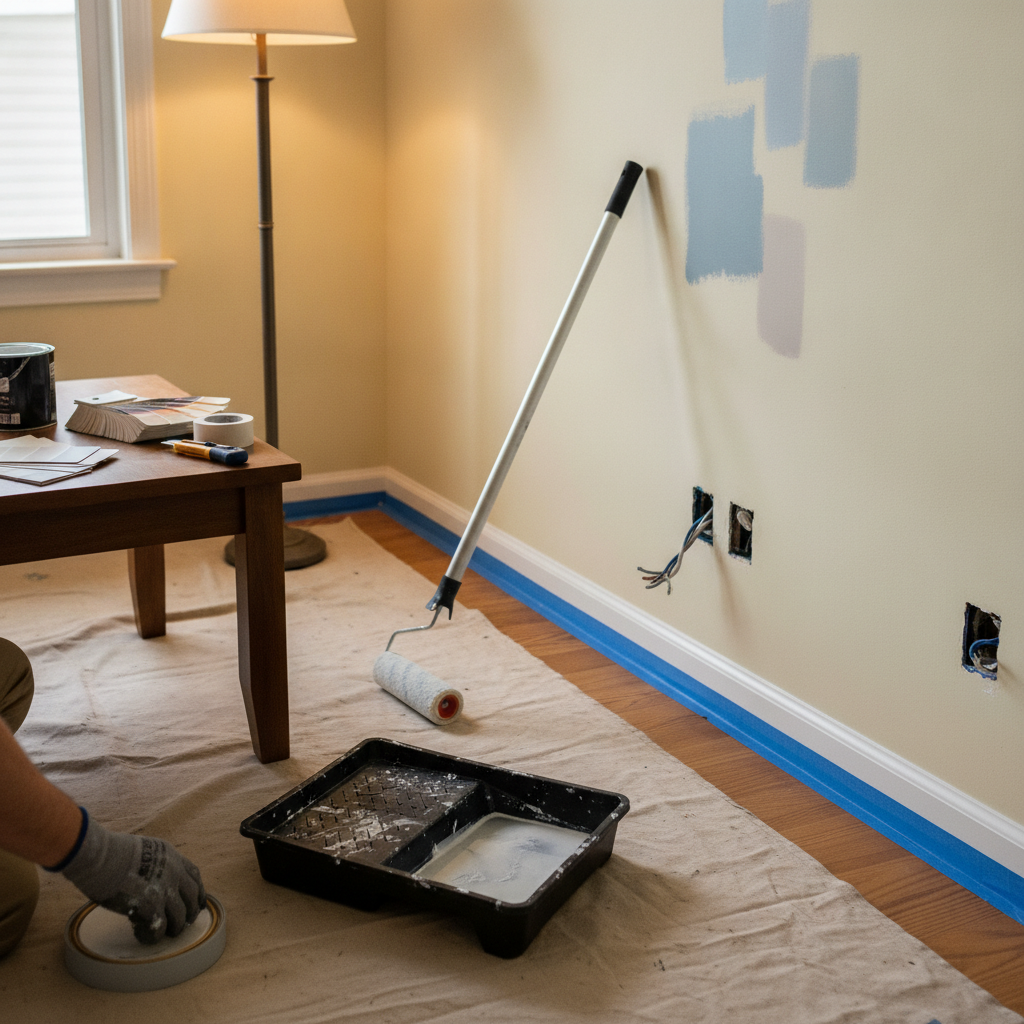
Different rooms, methods, and coatings change total effort. Kitchens and baths favor scuff- and moisture-resistant paints. Trim benefits from enamel systems. Rolling and brushing dominate most rooms; spray is ideal for cabinets and smooth doors when proper masking and ventilation controls are in place.
- Room-specific choices: Kitchens, baths, and mudrooms need washable finishes; bedrooms and family rooms can use soft sheens.
- Sheen and durability: Eggshell to satin is common on walls; semi-gloss on trim for cleanability.
- Color strategy: Fewer colors speed up cutting; accent walls and deep hues add coats.
- Application: Brush/roll for walls; spray setups for doors, trim packs, and cabinet projects.
- Ceiling upgrades: Popcorn ceiling removal with skim coating yields a smooth ceiling that elevates the whole room.
- Beyond interiors: If your refresh includes exteriors later, sequencing tasks like deck sanding before staining helps coatings last.
We routinely spray kitchen cabinets using lacquer or polyurethane for a factory-like finish, then brush/roll walls for a quiet, even sheen. For older ceilings, our popcorn removal and skim coating create a smooth base before final ceiling paint.
Best practices to manage effort without cutting corners
You can manage interior painting effort by locking colors early, grouping similar rooms, and clearing spaces before day one. Address small drywall repairs in advance, and decide on sheen levels for cleanability. Professional crews then focus time where it matters—prep, crisp lines, and durable coatings.
- Confirm a unified palette in advance to reduce color-change downtime.
- Batch wall-only rooms together and handle trim-intensive areas as a separate block.
- Remove artwork and outlet covers; empty bookshelves and closets.
- Request ZERO VOC options to keep odor low during busy family weeks.
- Schedule a walkthrough for touch-ups the next morning while coatings are fresh.
- Use labeled touch-up cans and note wall colors on the back of a closet shelf.
- Anchor your plan with our room-by-room checklist.
Tools, standards, and homeowner resources
Use checklists, manufacturer data sheets, and health guidance to plan confidently. Product data sheets explain recoat times and durability. Health agencies provide insights on VOCs and lead-safe work practices, which matter when sanding, repairing, or repainting older interiors with unknown coatings.
- Product data sheets: recoat windows, cure times, and washability guidance.
- Lead-safe practices for pre-1978 homes undergoing sanding and repairs.
- Indoor air considerations when selecting low- or ZERO VOC paints.
For broader planning context and homeowner checklists, see these practical overviews from regional service providers and directories you can reference while building your scope.
Explore a concise homeowner overview on interior projects in a nearby market in this interior painting guide. For common pitfalls to avoid when coordinating both interior and exterior work, this mistakes to avoid article offers helpful reminders about sequencing and prep. You can also browse a regional painter directory to understand typical scopes discussed by residential pros.
Free walkthrough + plan
Want a clean, efficient interior repaint? We’ll map rooms, confirm finishes, and stage a dust-minimized workflow. Start with our project planning guide and request a no-obligation walkthrough.
DIY vs. professional: workflow and outcome comparison
DIY painting works for small, simple rooms, while professionals excel on multi-room, tall-ceiling, and detailed-trim projects. Pro crews streamline prep, repairs, cut lines, and cleanup—delivering consistent sheen and durability across the entire home with less total disruption.
| Aspect | DIY | Professional |
|---|---|---|
| Prep & protection | Basic drop cloths; learning curve | Full room masking; dust control and floor protection |
| Repairs | Minor patching; variable sanding | Systematic repairs; smoothness verified by raking light |
| Application | Brush/roll; potential lap marks | Even coverage; crisp cut lines; sprayer use where appropriate |
| Timeline | Weekends and evenings | Dedicated crew days; predictable completion |
| Consistency | Room-by-room variation | Uniform sheen and color across spaces |
| Cleanliness | Basic cleanup | Detailed cleanup; labeled touch-up can provided |
On multi-room projects, professional sequencing prevents bottlenecks. A living room, hallway, and stairwell often share ladders and masking; batching them keeps momentum. If cabinets are being sprayed, we usually stage doors and drawers off-site to maintain airflow and keep living spaces open.
Mini case studies (Mississauga and Oakville)
Real homes show how planning influences total effort. Grouping similar rooms, confirming colors, and staging furniture reduce on-site time. Specialty projects—like cabinet spraying and popcorn removal—benefit from dedicated prep and sequencing for factory-like results and smooth ceilings.
Family home refresh, Mississauga
A two-story family home scheduled wall repaints and trim refreshes. We batched bedrooms first, then main-floor spaces. ZERO VOC wall paint kept odor low. A coordinated walkthrough the next morning caught minor touch-ups while coatings were fresh.
Kitchen modernization, Oakville
Cabinet doors and drawers were removed for off-site spraying. Walls and ceilings were repainted while cabinets cured, compressing the calendar. The factory-like cabinet finish paired with soft-sheen walls created a clean, modern look without a full renovation.
Ceiling update with skim coat
Popcorn texture removal in a living room required containment and dust control, followed by multi-pass skim coating and sanding. After primer and ceiling paint, lighting revealed a uniform, smooth surface that brightened the entire space.
Frequently Asked Questions
Homeowners ask how to plan, what to prep, and which paints to choose. The answers below cover timelines, odors, and project scope—so your interior repaint runs smoothly and delivers a durable, easy-to-clean finish.
How can I reduce days on site for an interior repaint?
Group similar rooms, confirm colors early, and clear spaces before crews arrive. Decide on sheen levels for cleanability. Ask for a single walk-through for touch-ups the next morning—addressing minor fixes while coatings are still fresh.
What makes a finish more durable in busy rooms?
Durability comes from proper prep, quality primers, and washable wall paints. Eggshell to satin sheens resist scuffs in hallways and kids’ rooms. Enamel systems on trim and doors improve cleanability and reduce chipping in high-traffic areas.
How do you control odor during interior painting?
Choose ZERO VOC or low-odor paints, ventilate with filtered airflow, and sequence rooms so families can occupy unaffected areas. We also stage daily cleanup to keep pathways clear and dust levels low.
Is spraying better than rolling for interior work?
Spraying excels on cabinets, doors, and detailed trim when masking and ventilation are well managed. Rolling and brushing are preferred for most walls to control spatter and maintain consistent coverage room to room.
Key Takeaways
Plan scope, select durable coatings, and stage rooms before day one. Group similar areas to streamline workflow, and choose ZERO VOC options to keep homes comfortable. A walkthrough for touch-ups ensures your finish looks clean and consistent under natural and evening light.
- Scope drives schedule: size, height, colors, and repairs.
- Durable systems: stain-blocking primer + two finish coats.
- Comfort first: ZERO VOC and dust control protect daily life.
- Pro sequencing: batch rooms and confirm colors early.
- Keep learning: our interior repaint overview outlines steps and checklists.
Conclusion
Interior repaint planning comes down to scope, prep, and product choices. When you coordinate colors, clear rooms, and choose durable systems, you shorten the schedule and improve results. A professional process protects your home, delivers crisp lines, and provides a finish that stays easy to live with.
Ready to plan an interior repaint? Our team protects floors and furnishings, uses premium primers and ZERO VOC options, and sequences work around family life. Ask about spray-finished cabinets, skim coating, or enamel trim systems when you want a full refresh in fewer visits.
